Photographing Morocco with National Geographic Expeditions

This past May I joined the Morocco Photography Expedition for National Geographic Expeditions as the National Geographic Expert. Our trip was a combination of cultural exploration and photography instruction. We gathered in Casablanca and set across the pink-hued landscape of Morocco to discover gems like Marrakech, Ait Benhaddou, the Sahara Desert, and Fes. I’ll let the following photos give you a glimpse of the experience:
Photographer

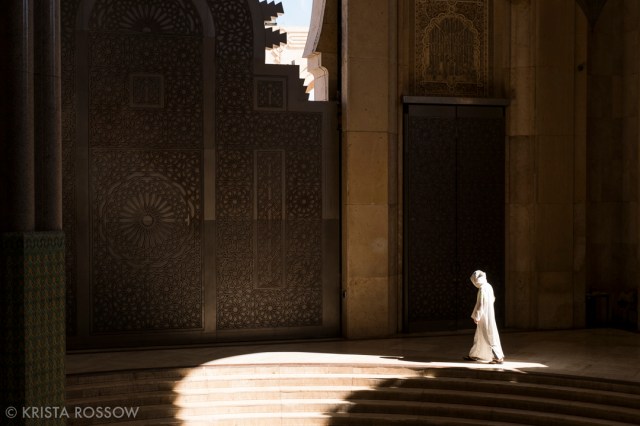
A visit to Casablanca isn’t complete without a visit to the world’s third largest mosque, the Hassan II which is named after the king who built this mega-structure. The vast interiors dwarf worshippers and visitors alike.
Photographer

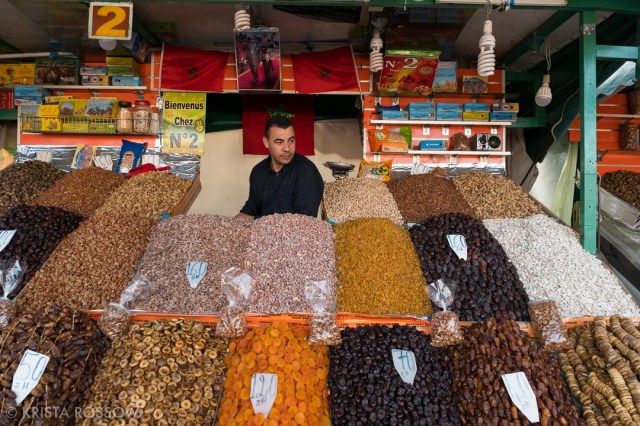
Morocco, and in particular Marrakech, can be challenging for photography because many locals and vendors refuse to be photographed or demand payment. With persistence and patience, I found that a few people were open to having conversations and were happy to allow for photography, such as this man at his dried fruit and nut stand in Djemma el-Fna Square.
Photographer

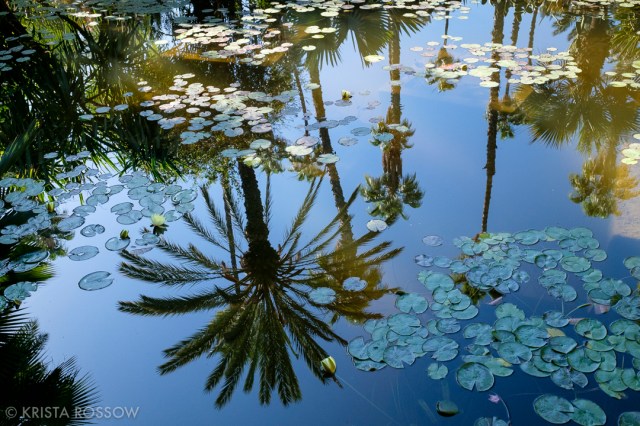
France has Monet’s Giverny and Morocco has Majorelle’s beautiful gardens. It is easy to see how the beautiful grounds here inspired the French painter during his time in Marrakech. We spent a lovely morning here exploring the grounds and visiting the Berber Museum.
Photographer

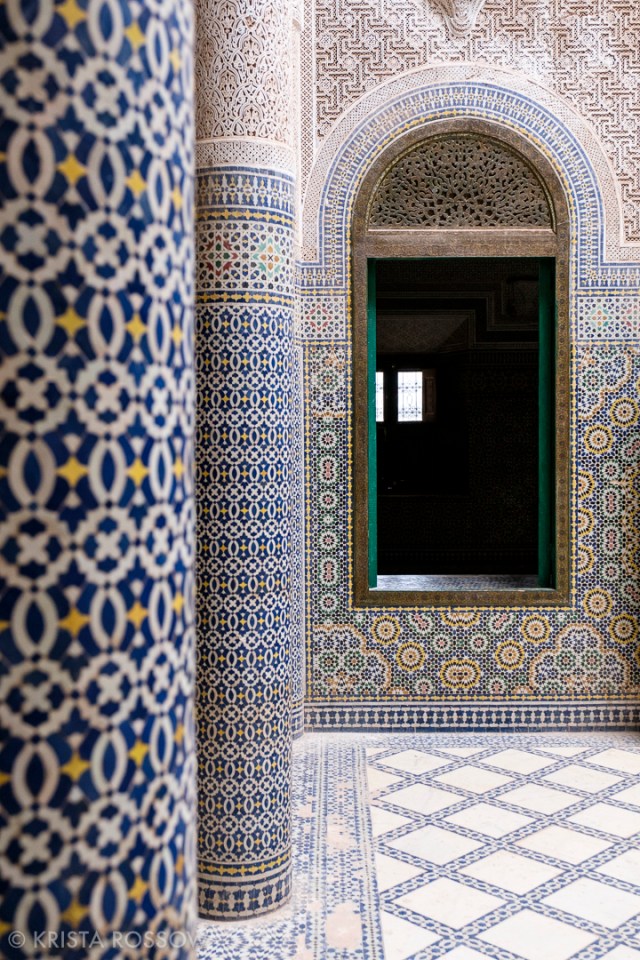
From Marrakech, we embarked on the “Road of 1000 Kasbahs” and encountered a crumbling kasbah in the village of Telouet. The exterior was in various states of disrepair, but inside the rooms remained awe-inspiring with the intricate tile work.
Photographer

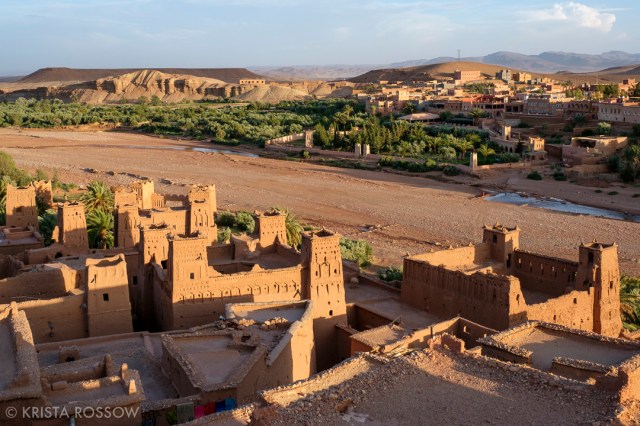
On the southern slopes of the High Atlas in the Province of Ouarzazate, the Ksar of Ait Benhaddou is an ighrem, or fortified village, along the former caravan route between the Sahara and Marrakech. Wandering through the village at sunset felt like walking amidst giant sand castles and was a highlight of the expedition.
Photographer

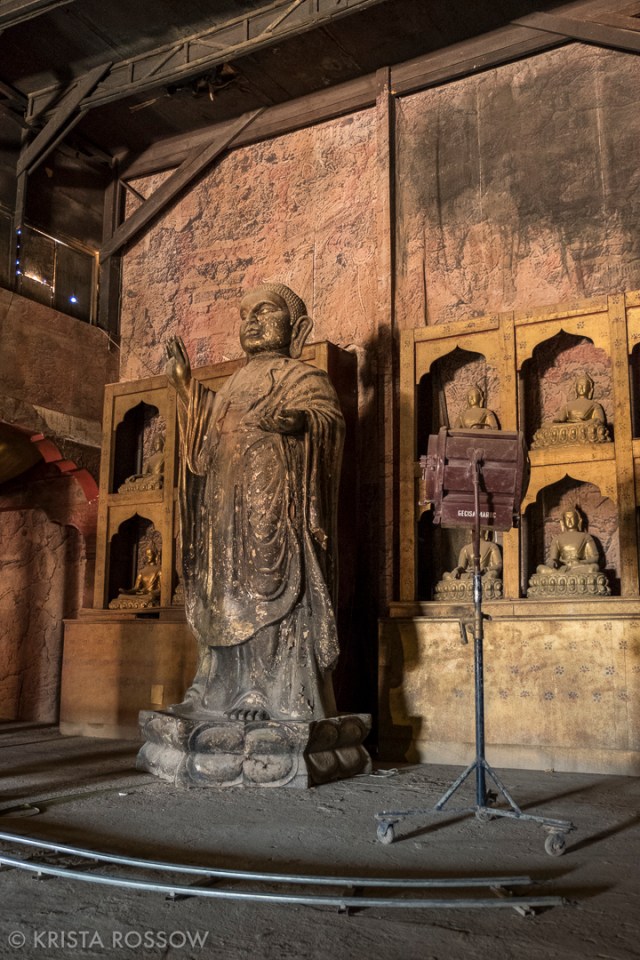
A visit to the Atlas Film Studios in Ouarzazate, the Hollywood of Morocco, took us through Ancient Egypt and Rome and into Tibet on this set from the film Kundun.

Photographer

The small town of Rissani was an unexpected photographic delight on the way towards the Sahara Desert. I loved wandering through the main market and photographing the produce and spice stalls as well as exploring the markets where you could buy cows, chickens, and donkeys.
Photographer

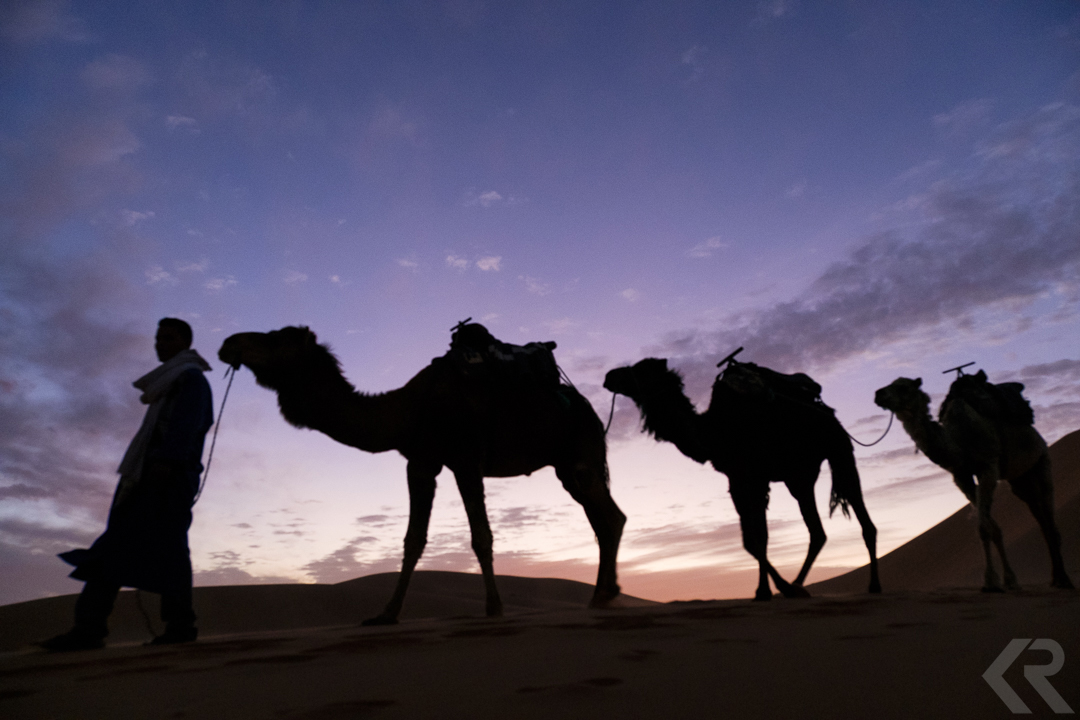
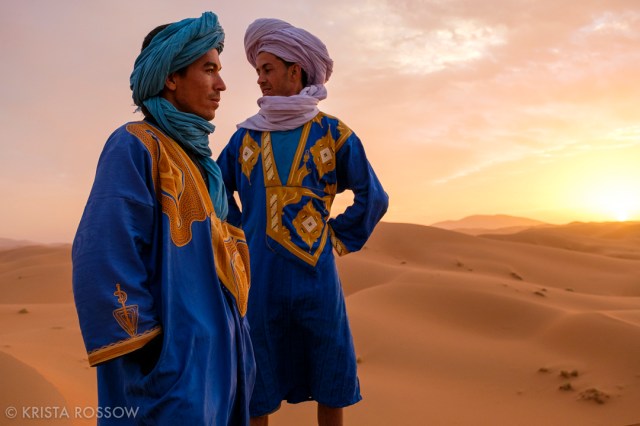
We rode camels through early morning darkness to find a spot amidst the dunes of the Sahara Desert near Merzouga to watch the sunrise. A few of us photographed the Moroccan camel drivers who were passing time while waiting for their guests.
Photographer

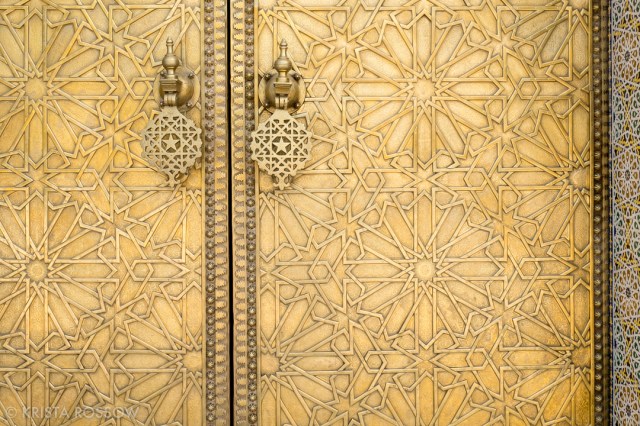
The golden gates of the Royal Palace of Fes were well worth a photo stop.
Photographer

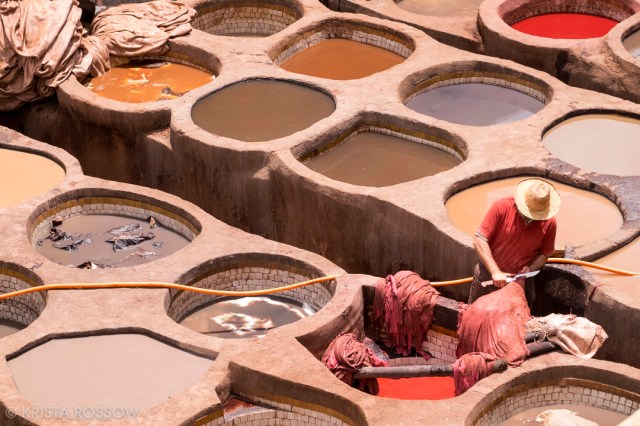
In Fes, we visited the famous leather tanneries. Although the tanneries are photographically interesting, it was difficult for me not to gag at the putrid odor (mint leaves helped) and I felt conflicted about watching the men work in such unsafe conditions while continuing the traditional method of their leathercraft.
Photographer

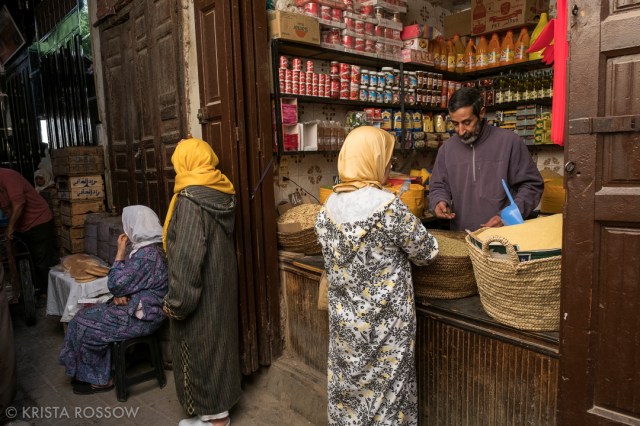
I had thought Marrakech’s medina was a maze, but I was wholly unprepared for the twisting, turning, seemingly endless lanes of Fes el-Bali. Of course, our guides wouldn’t allow us to get lost in the colorful chaos, but I look forward to returning to roam the narrow streets and make more discoveries.
krista-rossow-morocco-volubilis-cranes-columns

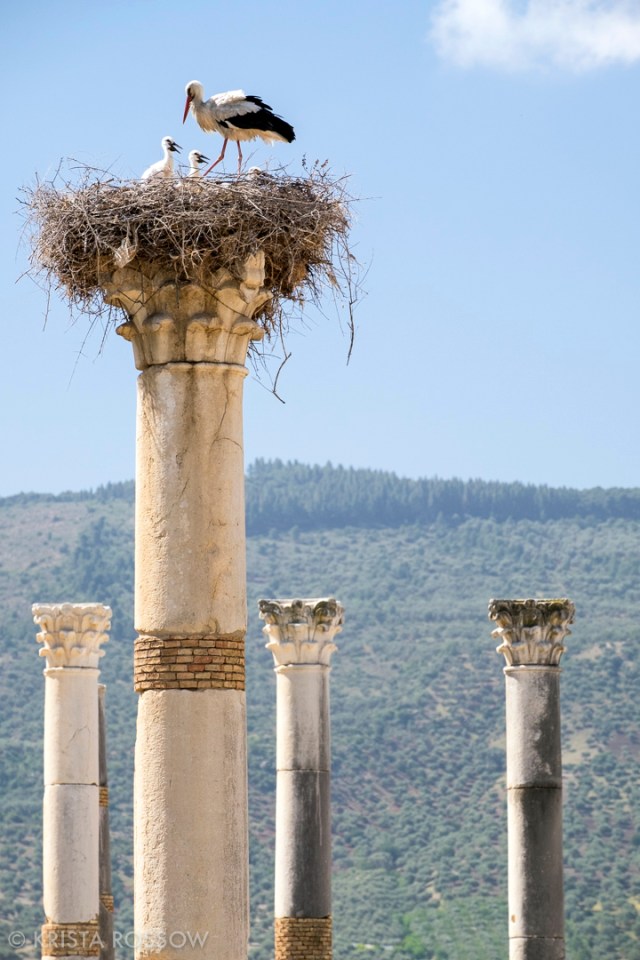
The Roman ruins of Volubilis, a UNESCO World Heritage Site, are a half day drive from Fes. Driving into the countryside filled with wheat fields and olive trees felt familiar to me like the landscapes of Andalusia in Southern Spain. At the ruins, I was delighted by the families of cranes who had made their nests on top of ancient columns.
Photographer

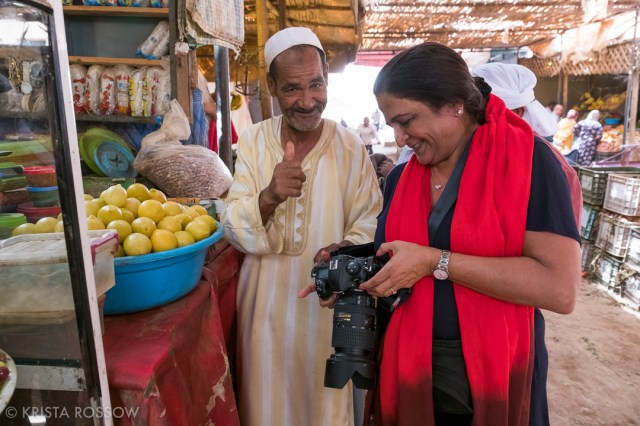
One of the expedition guests gets approval from a friendly local man at the market in Rissani.
Photographer

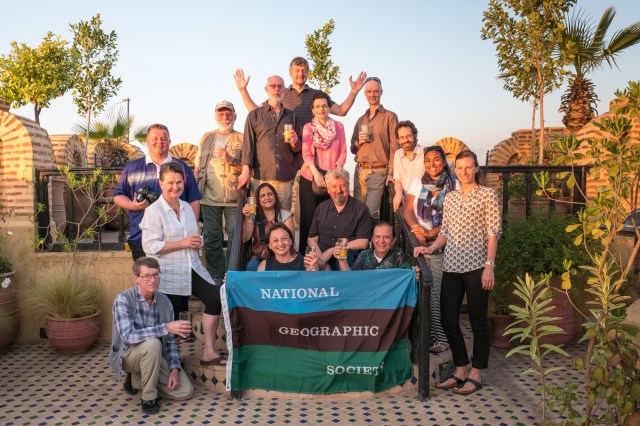
Our expedition group enjoying a sunset and sundowners from a rooftop in Marrakech before one of our many delicious, decadent dinners. It was wonderful to travel with you all!

Morocco was a photographer’s delight! If you’d like to travel with National Geographic Expeditions on this trip in Morocco, I’ll be leading the May 12th-23rd expedition in 2018.
Photographing Yellowstone with National Geographic Student Expeditions

A few weeks ago I joined 30 high school students and four fearless leaders on the 2017 Yellowstone Photo Workshop for National Geographic Student Expeditions.
I’ve been on many other photography expeditions for National Geographic but had never led a student expedition before. I was so impressed with how the students, who ranged in age from 14 to 18, brought their resilience, curiosity, and talent.

Just as National Geographic photographers push themselves when on assignment, we powered through long days where we chased the good light during early sunrises and late sunsets. We covered lots of ground to squeeze as much as possible out of each day. This often made for meals on the road and few hours of sleep, but we traded that for memories that will last a lifetime, stunning photographs, and new friends.

During our adventures together we explored the Bozeman area, went to a rodeo in Livingston, and covered as much of Yellowstone National Park as four wheels and two legs would take us. I’ll let the photos tell more of the story.

At the end of the workshop, we celebrated in Bozeman with a gallery show where we displayed large prints of the students’ images and also projected a slideshow. To see their fabulous set of images, click here.

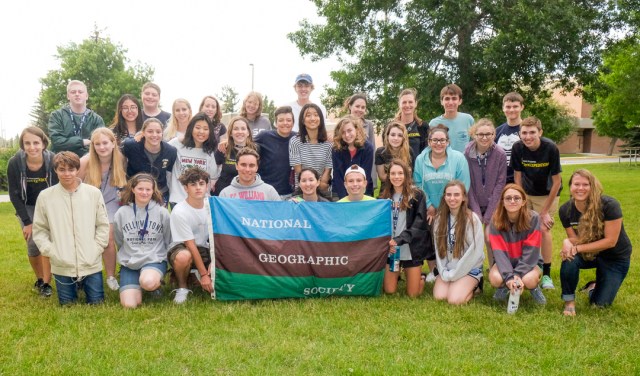
NGSE_Yellowstone_EvanCobb_groupphoto_0001-2

The 2017 Yellowstone Photo Workshop group at Montana State University. Photo by Evan Cobb.

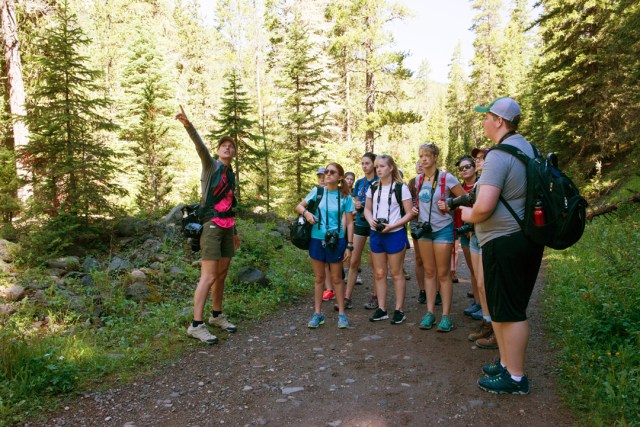
krista-rossow-national-geographic-expert

Teaching a group of students during a hike on the Hyalite Creek Trail outside of Bozeman, Montana. Photo by Anna Mazurek.

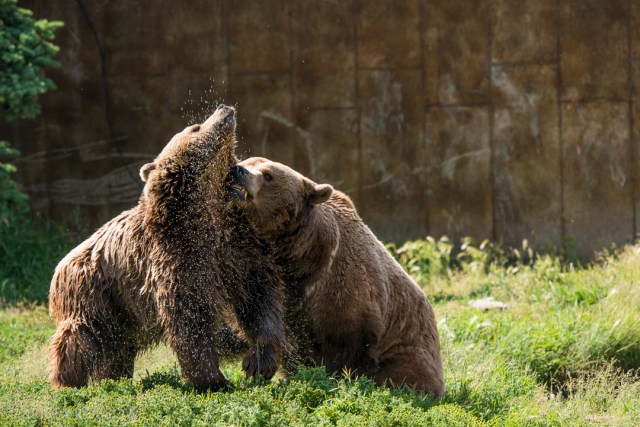
Krista-Rossow-Montana-Grizzly-Encounter

Maggi and Jake, two grizzly bears from Georgia, play after a swim in the pond at the Montana Grizzly Encounter, a rescue and education facility located outside of Bozeman.

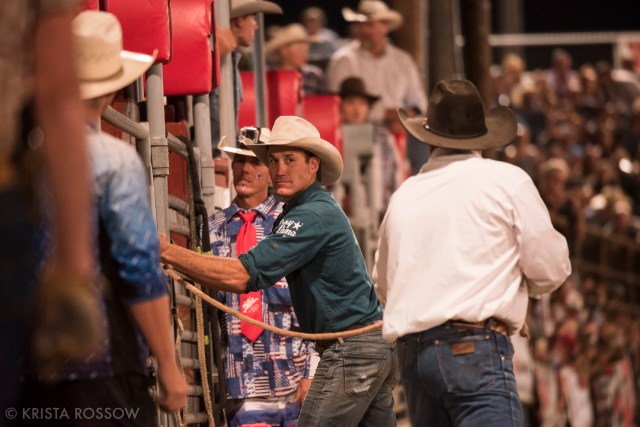
Krista-Rossow-Livingston-Rodeo-Cowboys

Cowboys and bullfighters are at the ready to release a bull and rider out of the chute at the Livingston Roundup Rodeo on the 4th of July.

Krista-Rossow-Livingston-Rodeo-Fireworks

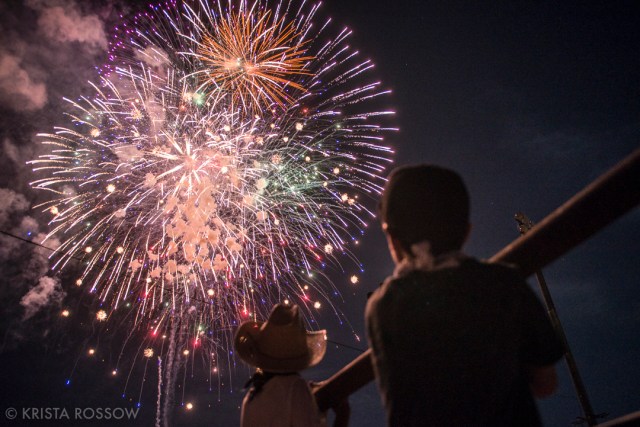
Young cowboys are mesmerized by the fireworks after the Livingston Roundup Rodeo.

Krista-Rossow-Yellowstone-Grand-Canyon

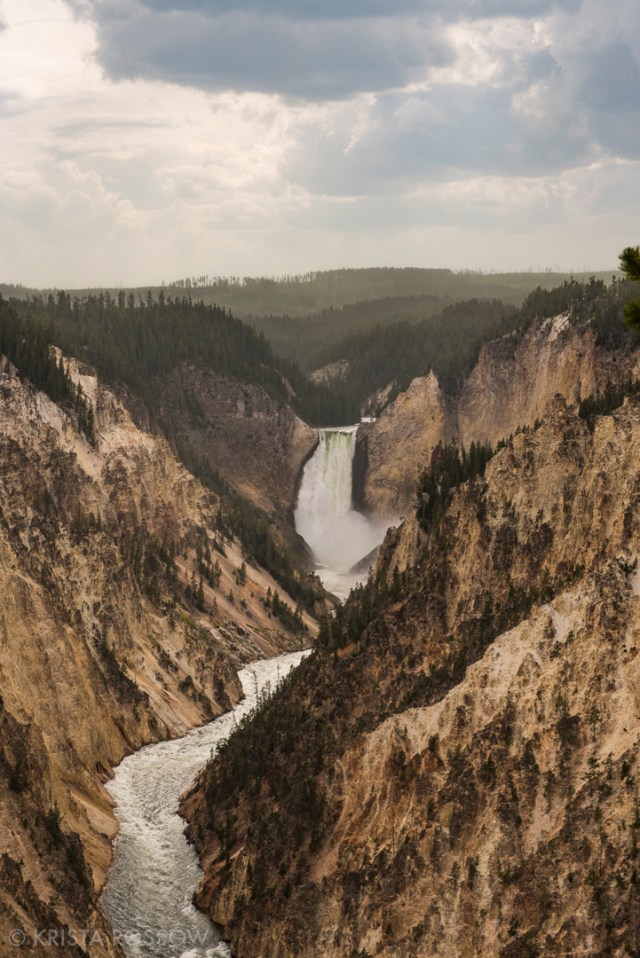
The Grand Canyon of the Yellowstone River as seen from Artist’s Point, the view from where people mistakenly assumed artist Thomas Moran painted his 1872 depictions of the falls. The artwork of Moran, along with photographer William Henry Jackson, helped convince Congress to make Yellowstone the first national park in 1872.

Krista-Rossow-Yellowstone-bison-jam

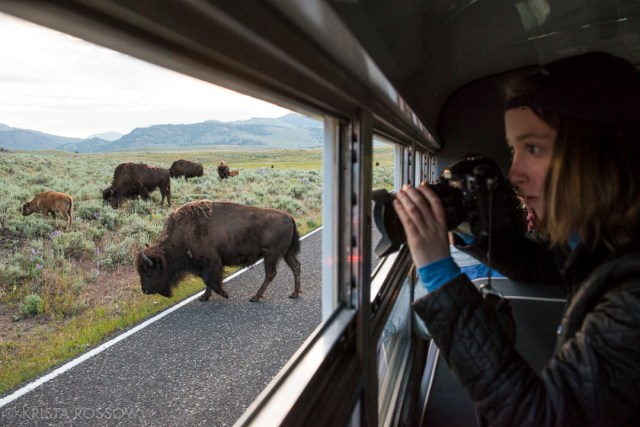
Due to the park’s popularity, traffic jams are not uncommon in Yellowstone, especially when a bear is spotted and many people stop their vehicles or park illegally to get a view. We encountered one of the more pleasant types of traffic jams, an early morning bison jam, where we had no choice but to drop the windows on the Yellowstone Forever bus and happily click away until the “traffic” passed us by.

Krista-Rossow-Yellowstone-Lamar-Buffalo-Ranch

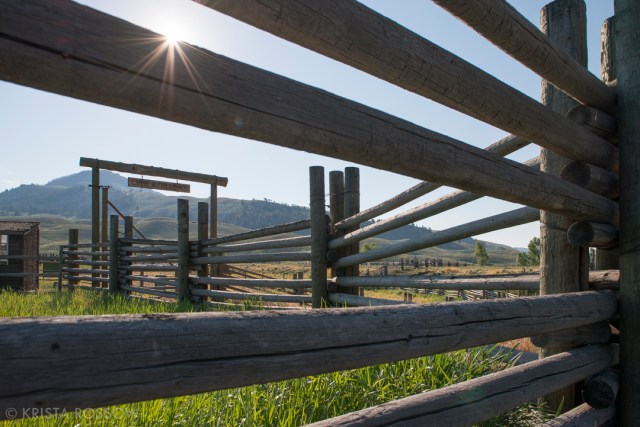
The historic Lamar Buffalo Ranch is now home to program facilities for Yellowstone Forever, a nonprofit institute which offers educational programs to enrich the visitor experience and preserve the park. The ranch was home to a bison breeding program which was started by the United States Army in 1906 to rescue the herd which had dwindled to numbers in the low 20s at the turn of the century. The program operated until the 1950s.

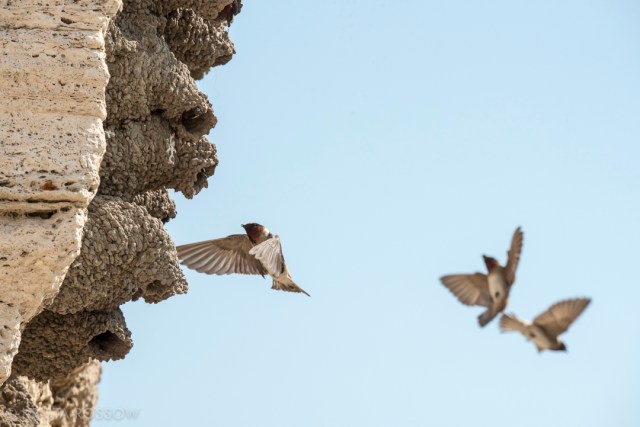
Krista-Rossow-Yellowstone-swallows

Swallows swoop in and out of mud nests on Soda Butte Cone, a travertine hot spring formation in the Lamar Valley that still smells of sulfur.

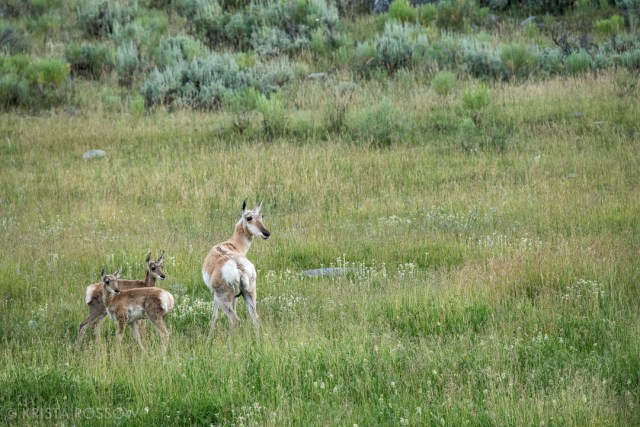
Krista-Rossow-Yellowstone-pronghorn-babies

A female pronghorn with her babies pause before “pronking” away from curious onlookers. Pronghorn are the second fastest land mammals (after the cheetah) and can sustain speeds of 20-30mph for up to a half hour.

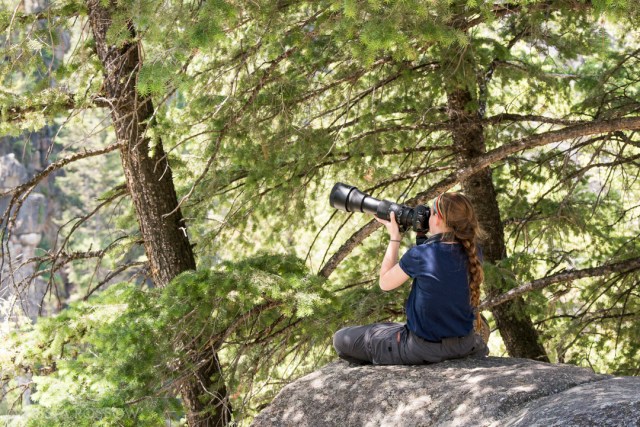
Krista-Rossow-Yellowstone-student-photographing

A student photographs osprey in the Lamar Canyon. The Lamar Valley was named after the most magnificently titled Lucius Quintus Cincinnatus Lamar II, who served as U.S. Secretary of the Interior under President Grover Cleveland.

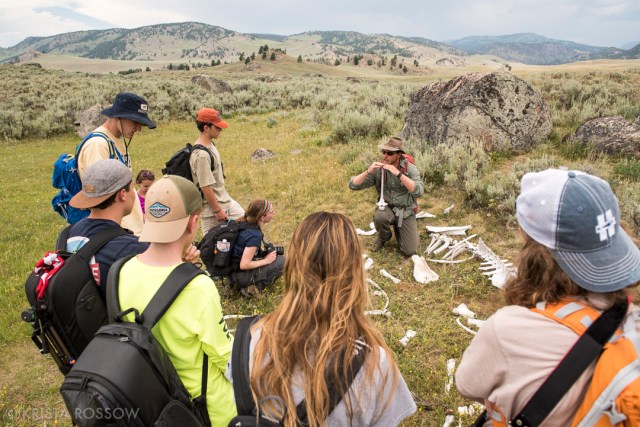
Krista-Rossow-Yellowstone-Forever-Lamar-Valley

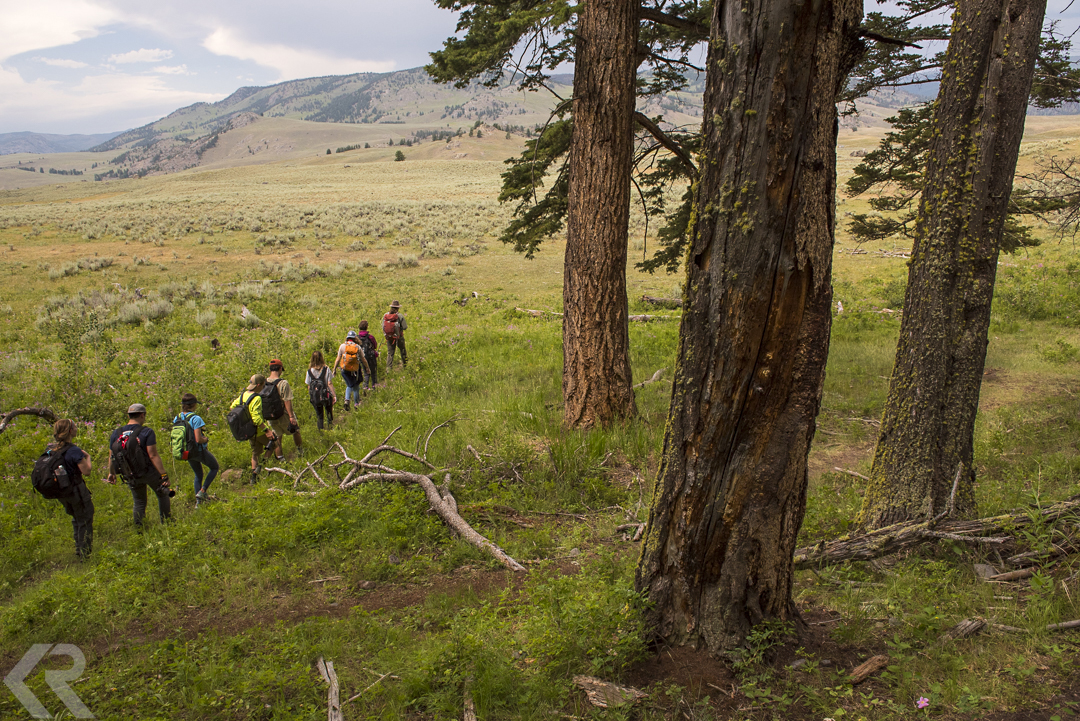
Josh Welter, one of the informative guides from Yellowstone Forever, took us on a hike through the Little America section of the Lamar Valley. We passed giant boulders, or glacial erratics, which had been deposited by glaciers thousands of years ago, found remains of bison (pictured) and elk, and visited the abandoned den of wolves that played a key role in the repopulation of wolves in the Greater Yellowstone Ecosystem.

Krista-Rossow-Yellowstone-Lamar-Valley-wildflowers

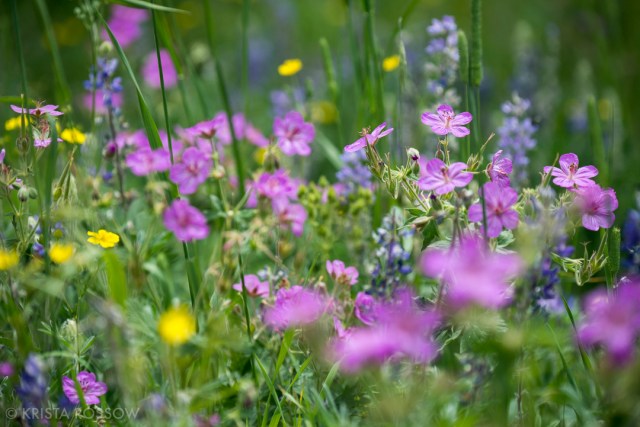
Wildflowers, like purple Asian flax, lupine, and yellow cinquefoil, are abundant in Yellowstone in July.

Krista-Rossow-Yellowstone-Mammoth-hot-springs

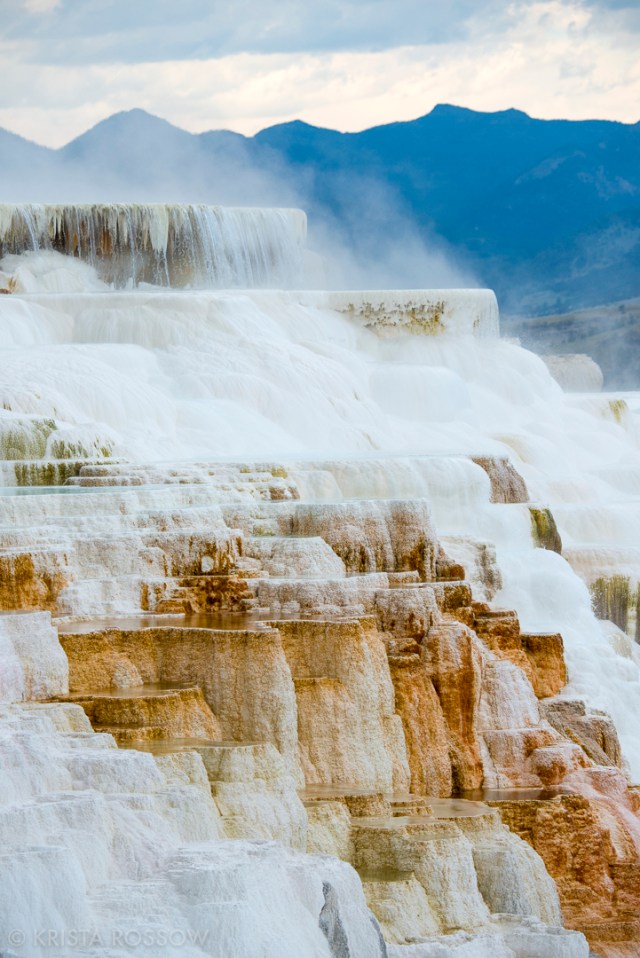
Mountains make a stunning backdrop for the Canary Spring formation at Mammoth Hot Springs. The gorgeous travertine terraces are formed from dissolved limestone, or calcium carbonate.

Krista-Rossow-Yellowstone-Old-Faithful-cowboys

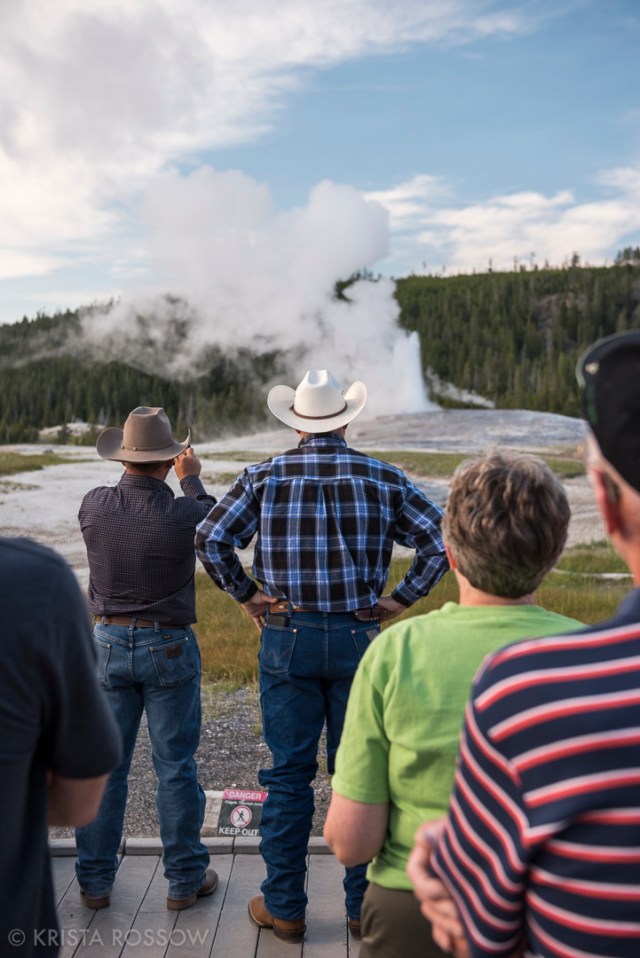
Two cowboys photograph Old Faithful as the geyser ends one of its near-clockwork eruptions.

Krista-Rossow-Yellowstone-Grand-Prismatic-sunset

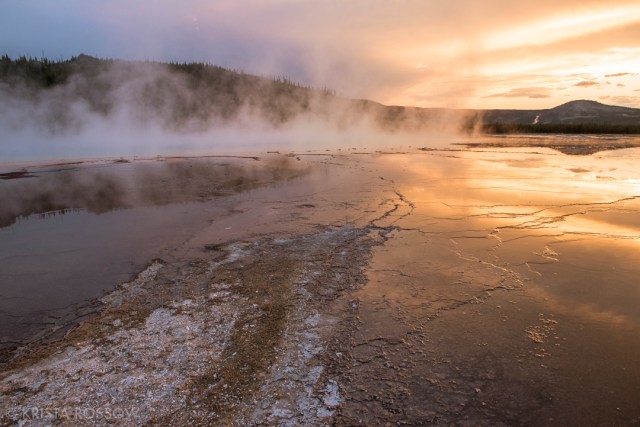
Sunset is a stunner at Grand Prismatic Spring in the Midway Geyser Basin.

All this week I’ll be sharing more Yellowstone National Park images on my Instagram account @KristaRossow (which you can see without having your own account.) I’ll be showing two images a day that touch on the different facets of the park experience and delving deeper into issues that face America’s first national park. Visit this gallery to license images or buy prints of Yellowstone National Park.

Summer Escape in Santa Fe

Come join me July 30th through August 4th in Santa Fe, New Mexico, for a 5-day workshop called The New World of Travel Photography.

Santa Fe holds a special place in my heart because in 2004 I spent a year working as a course assistant at the Santa Fe Photographic Workshops. Week after week, I experienced the wonderful intensity of the workshop environment and saw how it produced rapid improvement in people’s photography…. and occasionally changed lives. I credit my time in Santa Fe with putting me on the path to my now 11-year career with National Geographic as a photo editor and photographer. I’m excited to come full circle and return to the workshops next month as an instructor.

In my workshop, I’ll share insights into how I prepare and execute a travel assignment for National Geographic Travel. Most importantly, I’ll be spending time with each participant throughout the creative process, from shooting to editing, which will culminate in a unique travel story. Days will be a balance of time shooting in the field and classroom time filled with critiques, discussions, and lectures.

To find out more or sign up, click here.

I hope to see you this summer in Santa Fe!

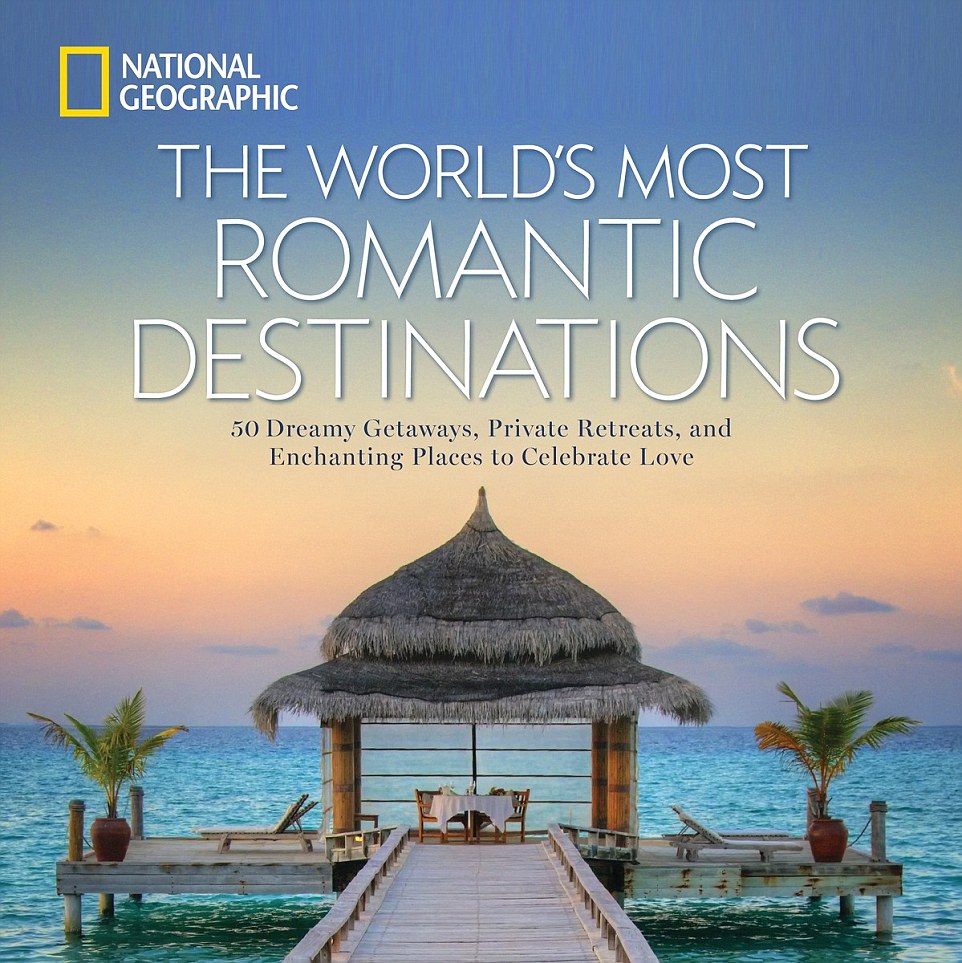
In Bookstores: The World’s Most Romantic Destinations

Last April I holed up in a house in Seattle and took a trip around the world.

Well, not literally, but through pictures. While photo editing my first book project for National Geographic, I re-visited favorite destinations like Cape Town and the Burgundy region of France, but then also fell for places that hadn’t quite caught my eye before like the Azores Islands of Portugal, Mozambique’s Quirimbas Archipelago, and San Sebastián in Spain.

20170306-NatGeoBook-KRossow-1441

I enjoyed switching gears from photo editing for magazines and delving into the book publishing world. I’m looking forward to working on the sister book to this title later this year. Special thanks for making the photo editing process easy and enjoyable goes to National Geographic’s Moira Haney, Elisa Gibson, and Allyson Dickman.

I’m proud to say that the results are now in hard copy and, if I do say so myself, they look gorgeous. Pick up National Geographic’s The World’s Most Romantic Destinations in bookstores or online and start adding to your travel bucket list. I can promise you these tempting places aren’t only for lovers.

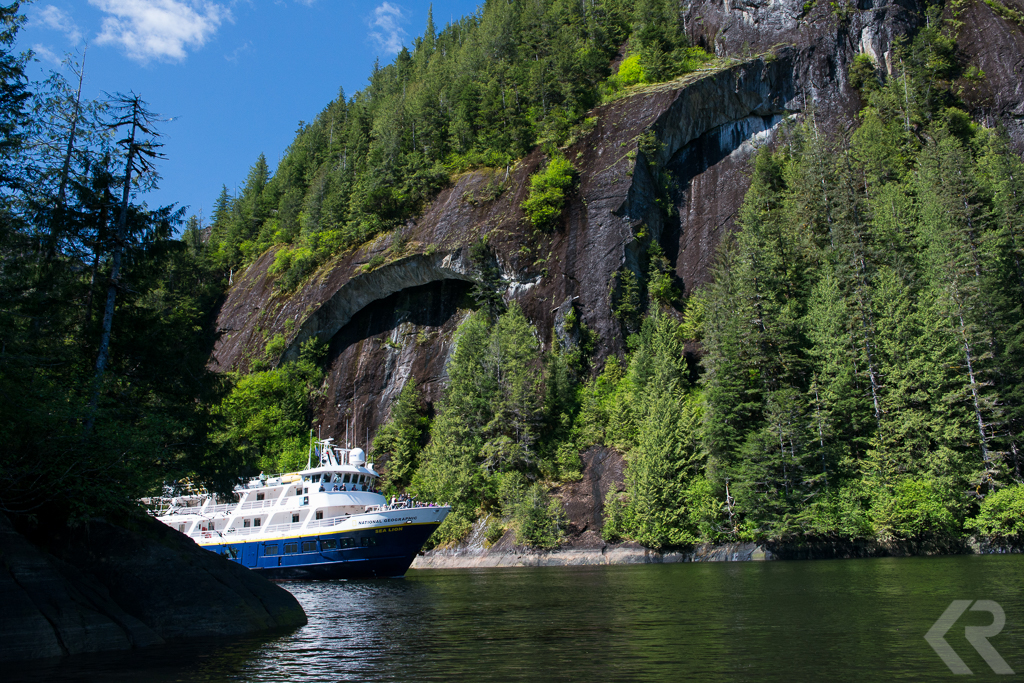
A small ship passes through a narrow passage in Alaska.

On Assignment with National Geographic Expeditions: Photography in Alaska & British Columbia

This past May I had the opportunity to travel as a National Geographic Expert on a voyage from Seattle, Washington, along the Inside Passage of British Columbia and Alaska. The National Geographic/Lindblad Expeditions A Remarkable Journey to Alaska, British Columbia & Haida Gwaii photography voyage was one of my favorites because as a Pacific Northwest native I felt right at home experiencing the lush forests and moody weather.

On September 3rd-17th of 2017, I’ll be joining as a National Geographic Expert on another Remarkable Journey to Alaska, British Columbia, and Haida Gwaii on board the National Geographic Sea Lion. Come join me on this intimate ship as we get up close and personal with the beauty of landscapes, wildlife, and culture of British Columbia and Alaska. I’ll be working with a talented photo team to provide insightful lectures and give tips and advice while on photo walks and photographing from the ship.

Here are a few images from last May’s expedition as a teaser of what the experience is like. To see more images from that voyage, visit my archive.

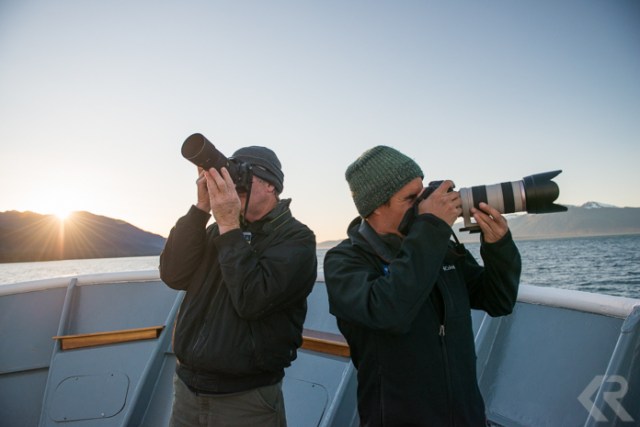
Two photographers on the bow of a ship.

On these expeditions, you’ll often find the photo team, like Photo Instructor Ryder Redfield (right), out on deck giving photo tips, especially during the beautiful sunset we had while navigating Frederick Sound.

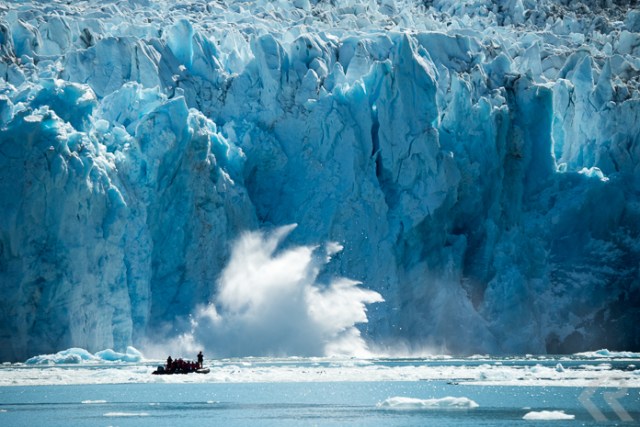
A glacier calves in front of a zodiac filled with people.

The morning we spent on zodiacs photographing the awe-inspiring Dawes Glacier calve was something I’ll never forget. It was an experience for all the senses, from the crackling sound like lightening in the ice to the giant aftershock waves that rocked the ship anchored over a mile away.

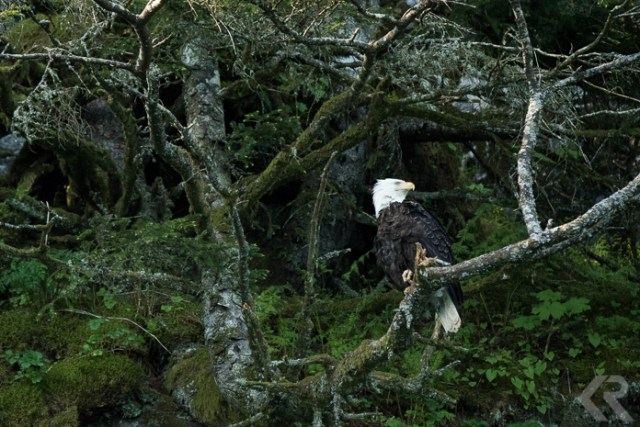
krista-rossow-alaska-expedition-inian-islands-4

I never tired of photographing bald eagles, like this one perched on a tree branch in the Inian Islands, which were ubiquitous in the rugged Alaskan landscape.

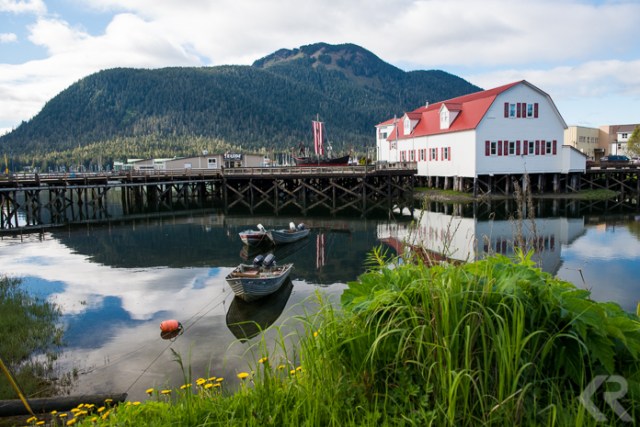
krista-rossow-alaska-expedition-1

In Petersburg, also known as Little Norway, we had a photo walk through the picturesque fishing village, capturing scenes of everyday life.

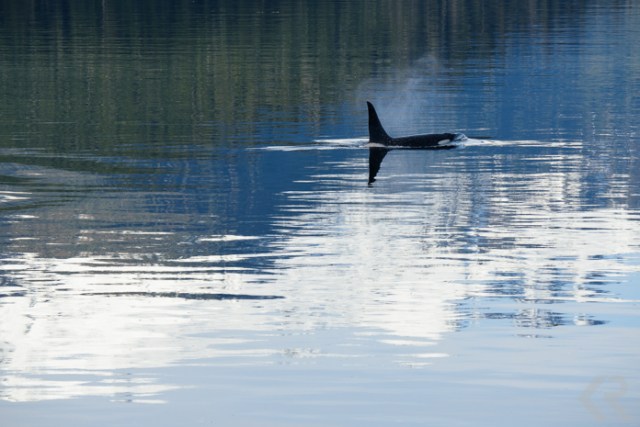
krista-rossow-alaska-expedition-5

On the last full day of the voyage, we spent over an hour photographing orcas as they swam around the ship in nearly still waters on the Peril Straight.

I’d love to see you join the voyage with me in September of 2017. I can promise beautiful vistas, amazing wildlife, and loads of photographic learning…….but I can’t promise the same beautiful weather I had last May!

Photo Tip: Layer Your Landscapes

Photography is a tricky medium. With it, we are translating the 3D world into a 2D outcome. So how to you take a landscape, which has depth, and make a viewer see and feel dimension while looking at a flat screen or a flat photographic print?

First, we must realize that not every scene that we come across in real life is going to make a stunning photograph. How often on your travels do you pull over at a viewpoint and your jaw drops because the scene in front of you is gorgeous, but when you take the photo it just looks flat?

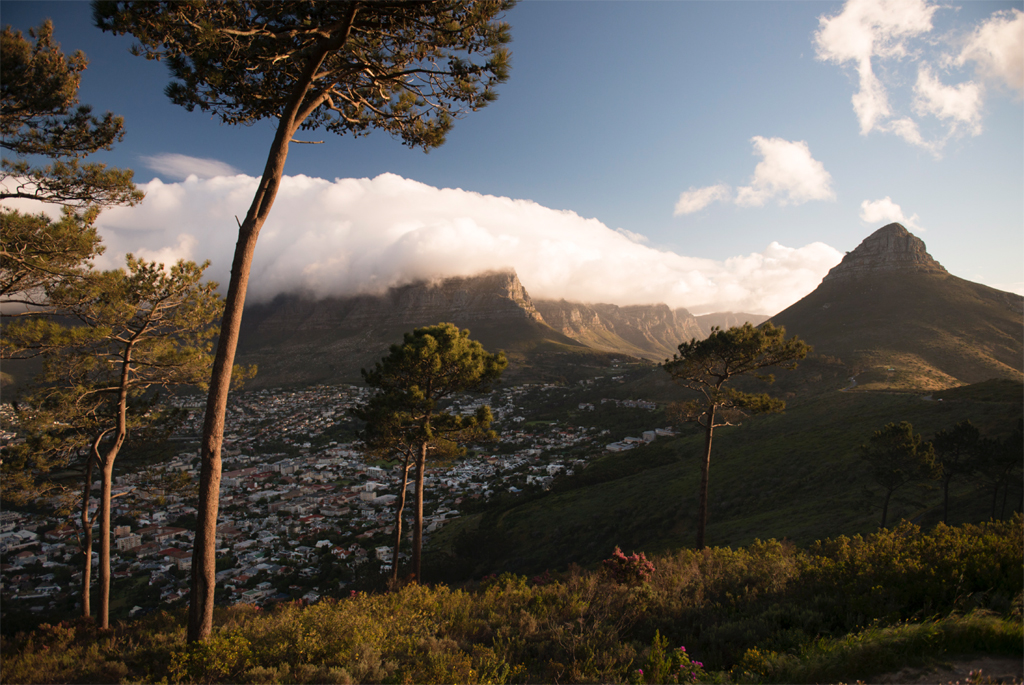
As photographers, we are responsible for “building in” depth to our pictures by adding layers into our landscapes. Sometimes light creates natural depth in a scene for us. As in the above shot from Cape Town, angled sunlight creates long shadows that tell our eyes there is dimension in the scene. Other times, we have to work harder to find a position to shoot from that incorporates interesting foregrounds, middle grounds, and backgrounds that force layers in the photograph.

In this post, I’ll show you a few photos from a recent backpacking trip into the Eagle Cap Wilderness in Eastern Oregon that will hopefully shed a little light (pun intended) onto how I think when composing a landscape shot.

krista-rossow-oregon-photographer-1

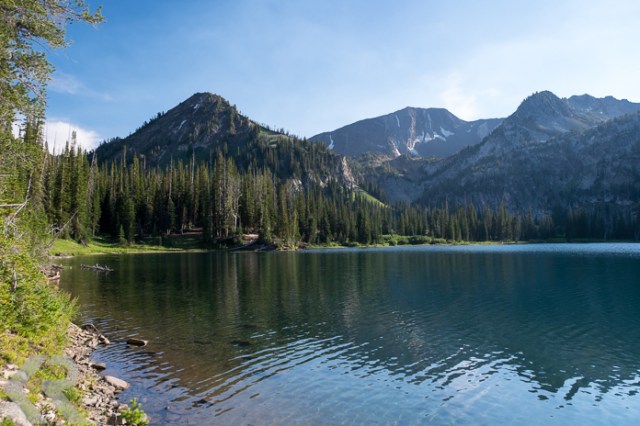
I’ll begin with the above straightforward “postcard”shot of Aneroid Lake that was taken in mid-afternoon. The angle of the sun allows a bit of play between light and shadow on the mountains (and is much more forgiving that if I’d taken this shot at noon), but there isn’t any depth to this photo aside from a bit of foreground leading my eye into the frame on the left.

Aneroid Lake in the Wallowa Mountains of Oregon.

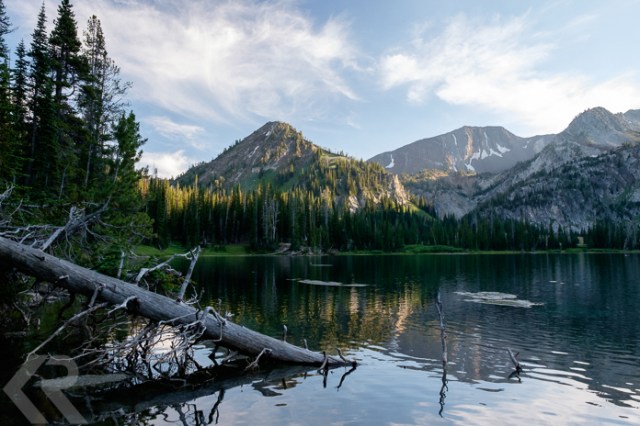
I decided to wait a bit longer for the sun to set further and create more dramatic light. You can see that the light is almost dancing around the mountain peak and has made the row of trees along the lake’s edge seem spotlit. I also decided to work harder by wading into the chilly water and finding a fallen tree to use as foreground. The silhouetted trees in the mid-ground also help to add dimension.

krista-rossow-oregon-photographer-3

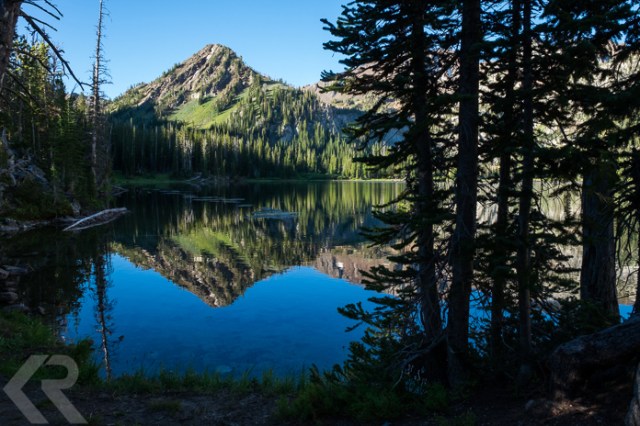
Still not totally satisfied, I got up early the next morning to see if I could make an even better picture. In this setup, I found some trees to use as dramatically silhouetted foreground and I was careful to include the curving bank to frame the edge of the photo and lead my eye back into the scene. The morning sun cast beautiful light onto the mountainside and gave dimension to the forest and rocks.

How do you add dimension and layers into your landscape shots? Feel free to leave your comments below.

Fall is for Photography

I’ve noticed recently that the days seemed to have already grown shorter and the mornings are crisper. That can only mean fall is right around the corner. Luckily, the changing of seasons brings about the opportunity to join photographer Jennifer Davidson and myself on two photo workshops in Texas and Virginia.

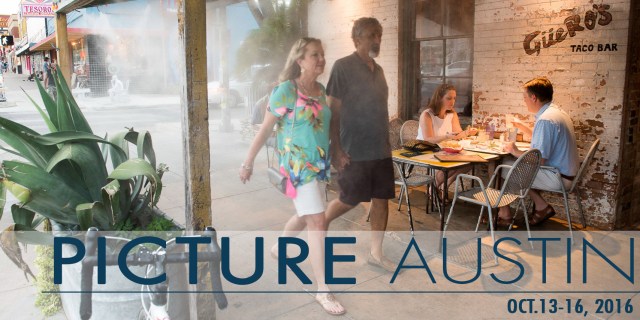
PictureAustin2016-1-cropped

On October 13th through the 16th, join us in Texas’ quirky state capital for round two of Picture Austin. We had so much fun last year that we are doing it again!

During this workshop, we will pack the days to the brim with photographic learning. Time spent shooting in the field will be balanced with classroom sessions where we give students immediate feedback on their images and prepare them for more photographic exploration.

Come ready to rub elbows with politicos near the capitol building, tap your feet to live music along South Congress Avenue,  and rise early as the sun soaks the skyline, all while making captivating images that tell the story of this unique American city.

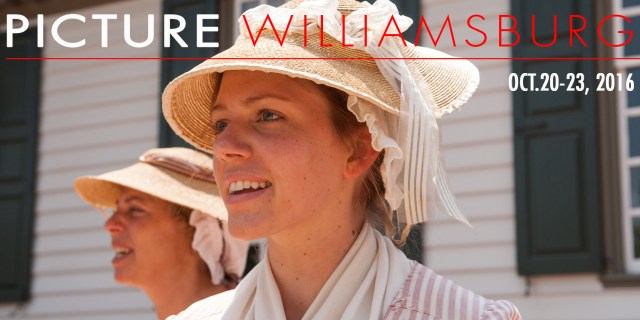
PictureWB2016-3-cropped-WEB-copy5

This October 20th through 23rd, you can join us in Virginia for Picture Williamsburg. During this four-day workshop, we will base in Colonial Williamsburg where you will learn how to make compelling images of this unique living history experience. Honing our people photography skills, we will make portraits of reenactors and learn how to translate those skills into everyday portrait situations in downtown Williamsburg.

We will also venture to Historic Jamestowne and the Yorktown Battlefield to round out our exploration of Virginia’s Historic Triangle and practice more photographic skills such as landscape photography. Come prepared to improve your photography where the past meets present.

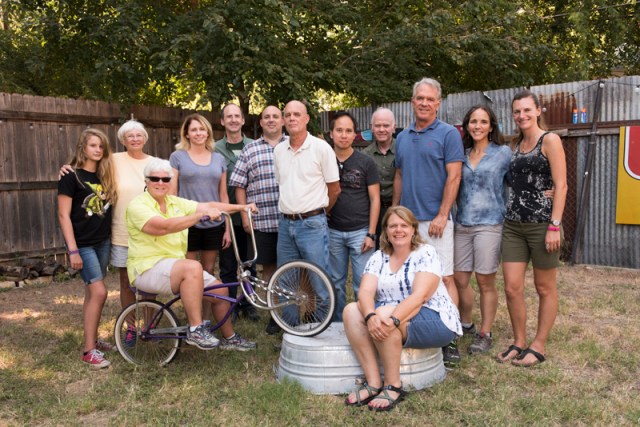
20150801-Texas-KRossow-1871-800px.jpg

The students of Picture Austin 2015 with Jennifer and Krista.

Enrollment is limited to allow students maximum time with both instructors. We’d love to see you this fall!

Please visit the Picture Austin and Picture Williamsburg websites for more information. Or email me directly if you have any questions: krista(at)kristarossow.com.

Krista Rossow Speaking at OPTIC 2016 in NYC

optic2016

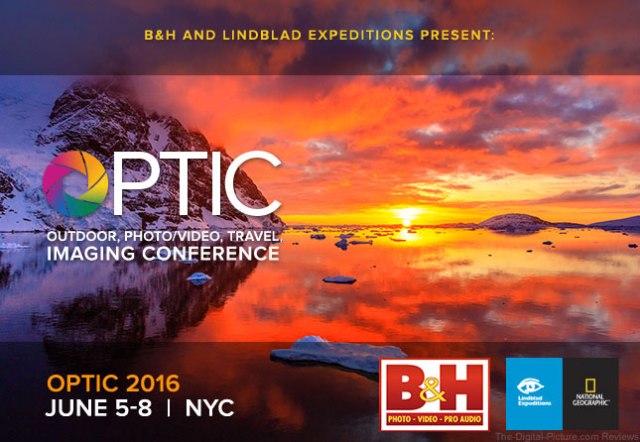
I’m pleased to announce that I’ll be speaking in New York City as part of OPTIC 2016, a photography event from June 5th-8th put on by the legendary B&H Photo Video and National Geographic/Lindblad Expeditions. This “Outdoor Photo/Video Travel Imaging Conference” can be attended for free in person or via livestreaming. Simply visit the website to register for either option.

On Sunday, June 5th, I’ll be speaking for Fujifilm discussing my recent experience using the X Series mirrorless system while traveling in Asia this past winter. For those curious about making the switch from DSLRs to mirrorless, I’ll be discussing my experience while sharing the resulting photographs and teaching why bigger isn’t necessarily better when it comes to cameras. If you can’t make it in person, read a recap on B&H’s Explora blog here or watch the archived footage here.

Also on Sunday, I’ll be on the main stage speaking about how to “Think Like an Editor.” I will discuss how I believe that for travel photography, photo editing begins even before taking a picture. Today’s photographers are their own photo editors, and not in the sense of using Instagram filters or Photoshop, but in the sense of selecting the best imagery to share with an audience, whether that is in a family album or professional portfolio. I will give tips on how to “improve your photographic odds” by preparing to take travel photographs through research and planning. I will discuss considerations for capturing the best images while in the field and give insight on the process of curating the best images once the images have been made. From my experience as a both a photographer on assignment and as a photo editor needing to convey an effective story, I will give practical insight into improving your photography and telling your own story. Register here to livestream this talk.

Sign up to also hear talks by my National Geographic colleagues Erika Larsen, Jay Dickman, Flip Nicklen, and Ralph Lee Hopkins and many other industry professionals. If you are in New York City, make sure to visit the trade show and to register for portfolio reviews, a photo walk in Central Park, a photo cruise, and a dinner party sponsored by Nikon. All the information is on the website: www.optic2016.com.

I hope to see you in New York or virtually on the small-screen somewhere in the world!

UPDATE: The talks I gave in New York are now archived with B&H. To see my editing talk, click here, and to see the talk about shooting with mirrorless, click here.

Seattle Washington skyline at twilight with Space Needle.

Photographing the Blue Hour

My favorite time of day to photograph cities is the blue hour. Now, the blue hour really isn’t an hour at all, but a much shorter span of time that occurs before sunrise or after sunset.

In the morning, it is the transition time where the sun is inching closer to the horizon and the sky turns from inky black to an electric blue; with the opposite occurring in the evening. Depending on cloud cover, this lighting scenario happens approximately twenty to thirty minutes before sunrise or after sunset.

During this window of time, the ambient light balances with the artificial lights of buildings and monuments in urban scenes and you can easily capture the entire dynamic range of the scene. No need to take multiple exposures and stitch together an HDR (high-dynamic range) shot!

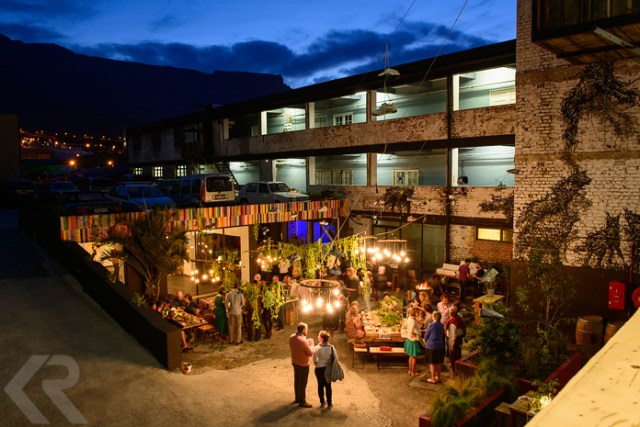
Dinner party scene in the Woodstock neighborhood of Cape Town with Table Mountain in background.

When I was invited to a dinner at Side Street Studios, I arrived early to scout out an angle that would include Cape Town’s iconic Table Mountain. Shortly after sunset, the timing was right and I captured both the activity of guests mingling and the mountain silhouetted against a dark blue sky.

Tech Talk

To capture the electric blue sky, it is optimal to use a tripod which will allow you to shoot with a lower ISO such as 400 or 800 and a wider depth of field like f/11 while keeping steady at slow shutter speeds. Because slow shutter speeds can easily be achieved at this time of day, I also love to play with motion blur from vehicles and other moving objects to add interest to my compositions.

But if you are tripod averse, as I often am, the solution is simple: turn up your ISO, shoot at your shallowest aperture, and do your best to reduce camera shake by bracing yourself or your camera against something solid. You won’t get to play with motion blur, but you’ll capture this vibrant time of day nonetheless.

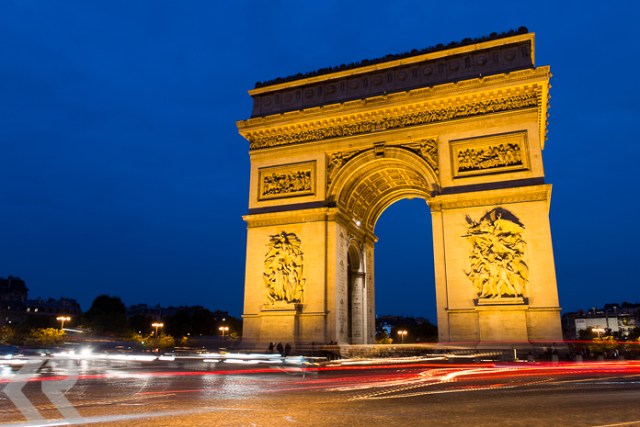
The Arc de Triomphe at dusk in the Place Charles de Gaulle in Paris, France.

The Arc de Triomphe already looks gorgeous with a stunning blue sky behind it, but by using a tripod and a slow shutter speed, the vehicle lights add another dynamic visual element and also fill the empty space of pavement surrounding the monument.

Be Prepared

I have to admit that I prefer photographing the blue hour after sunset rather than before sunrise. This is simply because I can easily scout out the scene I want to capture in the daylight instead of having to scout the day prior or finding myself fumbling around in the dark with a flashlight and hoping I’ve found a good position.

Once in position, take test shots and get ready for the light to change quickly. I like to take test shots and check my histogram as I go to not only adjust exposure but to also see when the scene is getting more similar in tone. I find that the optimal time for the best photograph is actually when the scene is looking a bit too dark to my eyes.

Examples of changing light at Shwedagon Pagoda in Myanmar at dawn.

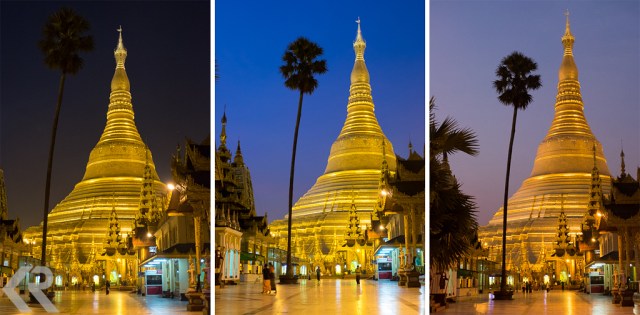
The light changes very quickly at dawn, as you can see from these shots which were taken at 6:31am, 6:39am, and 6:45am at the Shwedagon Pagoda in Yangon, Myanmar.

Looking Ahead: Springtime in Texas

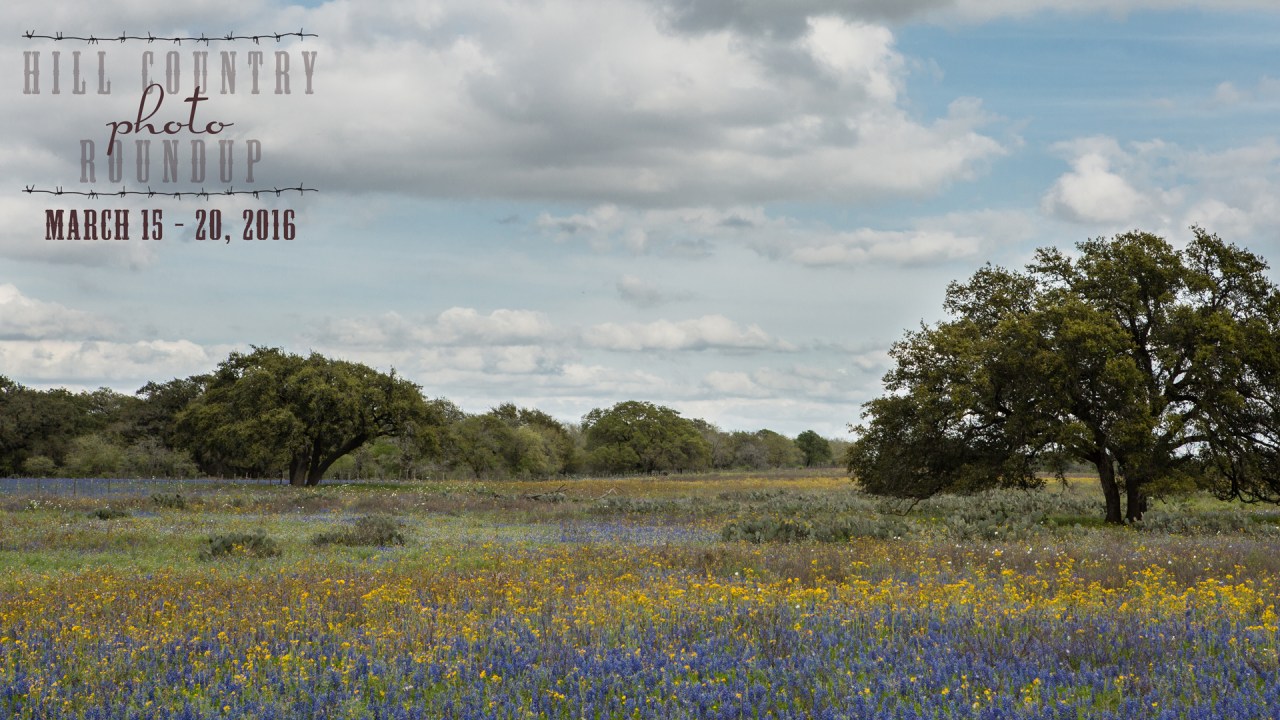
I’m pleased to announce the Hill Country Photo Roundup, another workshop I’ll be teaching with veteran photo instructor and native Texan Jennifer Davidson in one of the most beautiful and culturally rich regions of Texas.

If you’ve been to Hill Country before, you’re already in on the secret, but if you were like me, I had a different idea of what this region outside of Austin and San Antonio had in store before my recent visit. The Hill Country has hills, true enough, but it has so much more: wildflowers, cypress-lined rivers, rock plateaus, barbecue, dance halls, and even schnitzel.

We will be based in Fredericksburg, a Texan town rich in German heritage that is a mecca for artists and wine-lovers. The location will allow us to make day trips throughout the region to photograph through barbecue smoke in Llano, search for cowboy culture in Bandera, the “Cowboy Capital of the World,” and kick up our heels as we click our shutters at the Luckenbach dance hall.

We will photograph Enchanted Rock at dawn, a beautiful pink granite formation, and float down a crystal-clear river lined with the graceful roots of cypress trees. And, if Mother Nature is kind to us this March, our vistas will be brightened with blooming wildflowers.

In between our photo excursions in the region, we will have ample time for one-on-one critiques, two group reviews, multiple lectures, and socializing to get to know your fellow photographers.

I hope to see you March 15th-20th, 2016, in Texas! To find out more and register, click here.

Holiday Special: Make your deposit by December 31st and receive a 5% discount off of the total workshop fee!