Post Processing: Lightroom’s Graduated Filter Tool

The following was published in the December 2016 issue of the digital-only Photography Magazine produced by National Geographic Traveller (UK Edition). Download the free app on iTunes, Google Play, or Amazon to browse more of the articles in these insightful issues.

Although the graduated neutral density filter has long been an essential tool for landscape photographers, it is never one that I’ve owned myself. Ironically I’ve come to love the Graduated Filter tool in Lightroom to selectively darken or lighten portions of my images.

One of the difficulties with photography is that the camera can’t capture the range of light that our human eyes can see. Although I we see highlights and shadows in a high-contrast scene, the camera’s dynamic range can’t capture both ends of that spectrum. While using the aforementioned “grad ND” filter or an HDR (high dynamic range) technique can solve this problem when used effectively, my preference has been to learn when a scene is too high contrast for my camera’s dynamic range and decide to either return when the light is more balanced or look for a different composition.

Therefore, I’m not using Lightroom’s Graduated Filter to try to recover highlights or shadows where detail was completely lost, but I’m instead starting with raw images that are well exposed and using the tool to optimize the image.

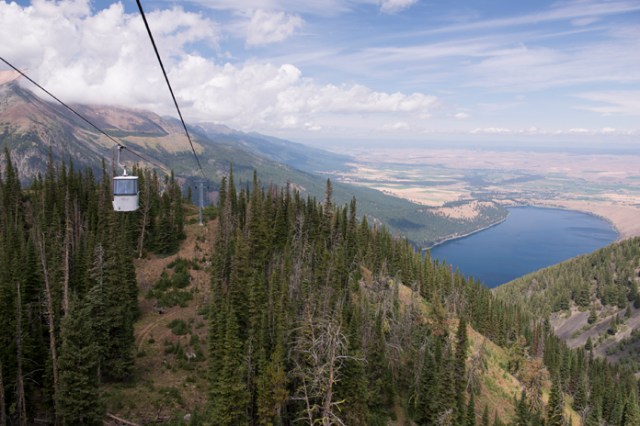
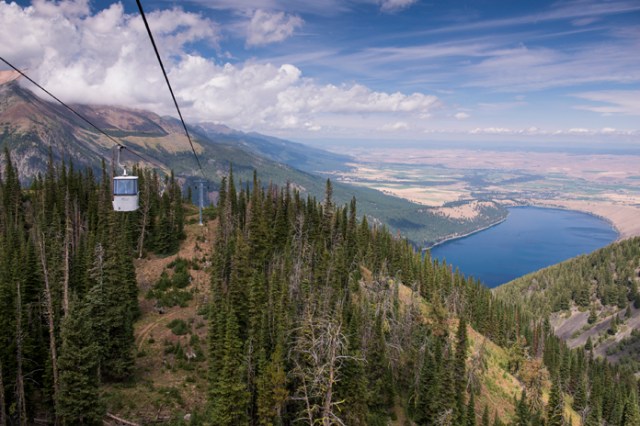
For example, I photographed this landscape while riding a gondola up into the Wallowa Mountains of Eastern Oregon. I loved how from that perspective I could show the dramatic change of terrain from rugged mountains to the flat farmland. The camera, set to matrix metering, gave me an exposure that captured all tones of the image from shadows to highlights. Still, mottled clouds darkened portions of the foreground filled with trees while the clouds and sky in the background appeared much brighter. To darken the background sky, the Graduated Filter was the perfect tool.
krista-rossow-graduated-filter-lightroom-tutorial-a

Version exported from original Nikon D800 camera raw settings.
krista-rossow-graduated-filter-lightroom-tutorial-b

Final version after using the Graduated Filter to darken the sky, plus overall contrast.

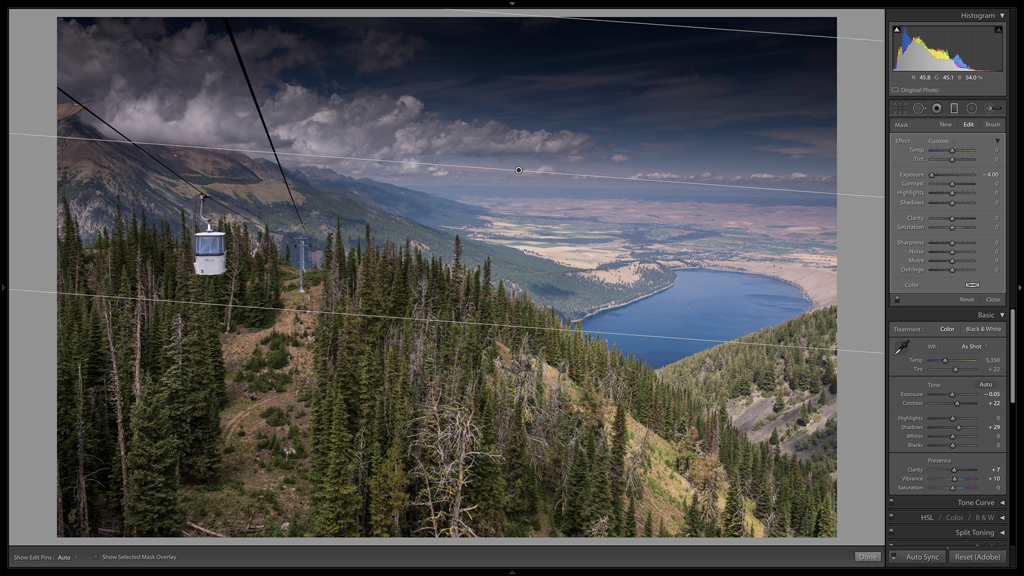
  1. In Lightroom, with the above photo selected, I went into the Develop module. Before using the Graduated Filter, I first did universal adjustments to my raw image using the sliders in the basic adjustment panel. I darkened the overall exposure slightly by -.5 and added contrast of +22. I also opened up the shadows, to show more details in the trees, by setting the slider at +29. I gave the image a slight boost in clarity to +7 and gently bumped the vibrance slider to +10 (Warning: it is easy to make colours appear unrealistic very quickly with this slider).
  2. Then I clicked on the Graduated Filter icon in the row of icons above the basic adjustment panel, but I could also have used the keyboard shortcut M to activate the tool.
  3. Once activated, an adjustment panel popped up above the basic adjustment panel and I could see multiple adjustments options that were very similar to those in the basic panel. Although there are other uses for the Graduated Tool, because my primary goal with the tool was to recover some of the detail in the clouds and color in the blue sky, I decided to use the exposure slider to selectively darken a portion of the image. Before setting the placement of the filter on the image, I set my exposure slider at the extreme amount of -4 so that I could see the effect when placing the filter.
  4. I then clicked on the top of the image and pulled down with my cursor that had turned into a plus symbol. A horizontal row of three lines appeared, and I drug the lines at an angle until the middle line, which has a grey pin in the center, lined up just below the sky and clouds. By dragging the lines further apart, I was also making the transition of the filter effect more gradual. Tip: hold down the shift key while using this tool for a perfectly straight horizon or rotate the tool after placement by activating the double arrows when hovering your cursor over the middle line.
  5. With the middle line of the filter placed just below the sky and clouds, I next set the exposure to -.78 and increased contrast to +22. To toggle the effect on/off, I clicked the light switch button on the bottom left of the panel because I wanted to double-check that my adjustments were realistic. In general, I rarely change the exposure much more than one stop in either direction.
  6. I had the option to then layer on more Graduated Filter effects, each with their own settings. And if I had added one I didn’t like, I simply needed to hit the delete key while it was activated. Because I was happy with the one Graduated Filter effect, I clicked “Done” in the bottom right of the image panel.

While this post-processing tool cannot replicate the physical usage of a “Grad ND” filter in the field, nor can it effectively restore an poorly exposed image, I find it a useful tool to optimize my images. And as with any tool in post production, one has to be careful not to let the tool show.
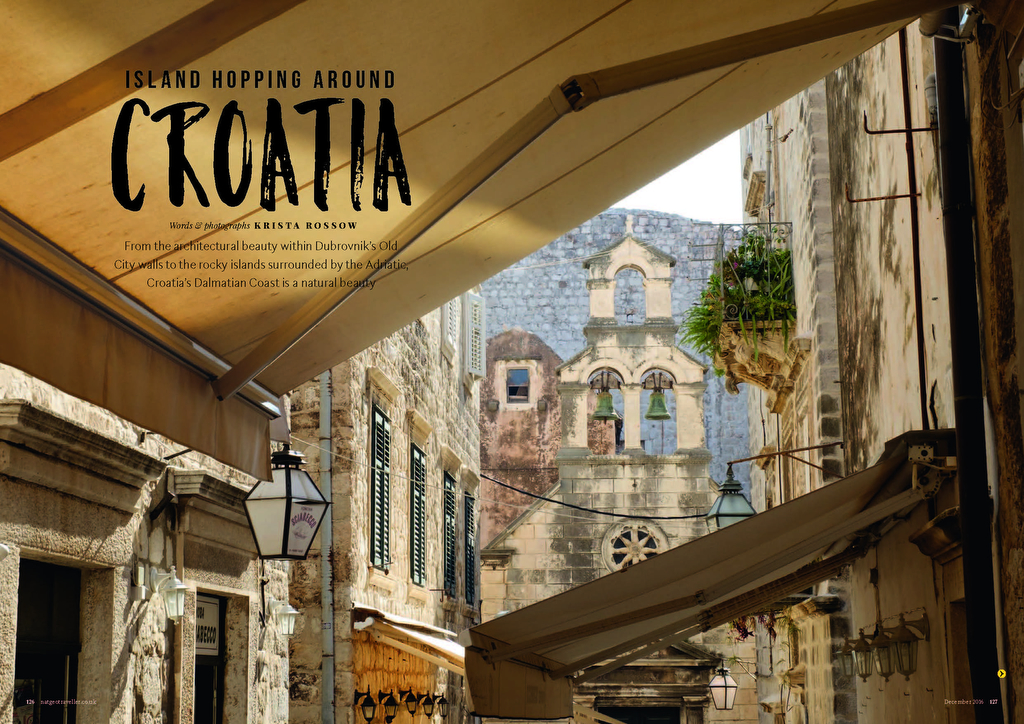
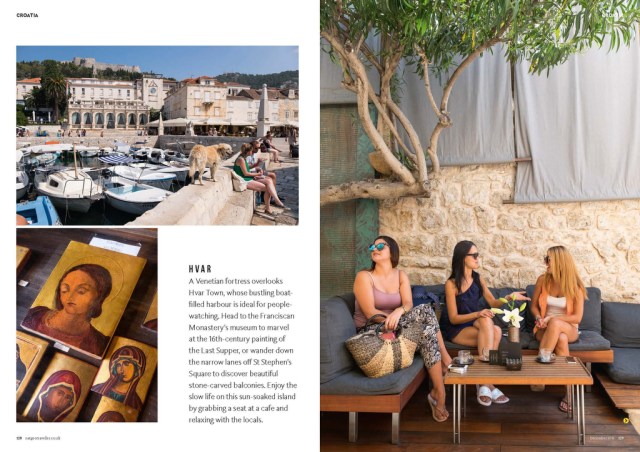
On Newsstands: Croatia for National Geographic Traveller

This past September I had the opportunity to explore the coastline of Croatia. From past photo editing projects, I’d been clued into how gorgeous the country is, but it was quite something else to see it in person. I was smitten with the beautiful Venetian-influenced walled cities and dazzled by the shimmering blues of the Adriatic Sea contrasting with the fresh green of pines along the rocky Dalmatian Coast.

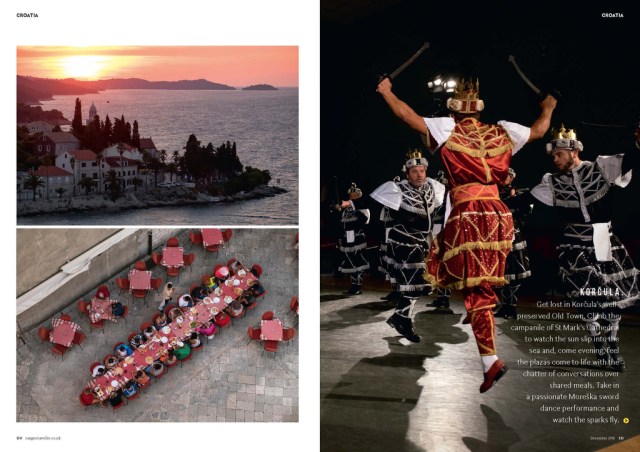
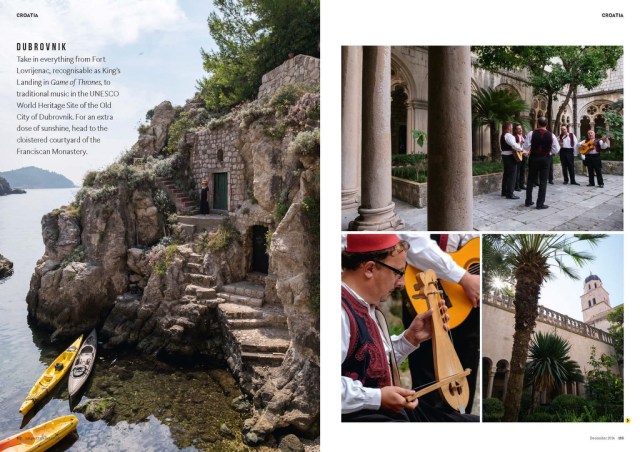
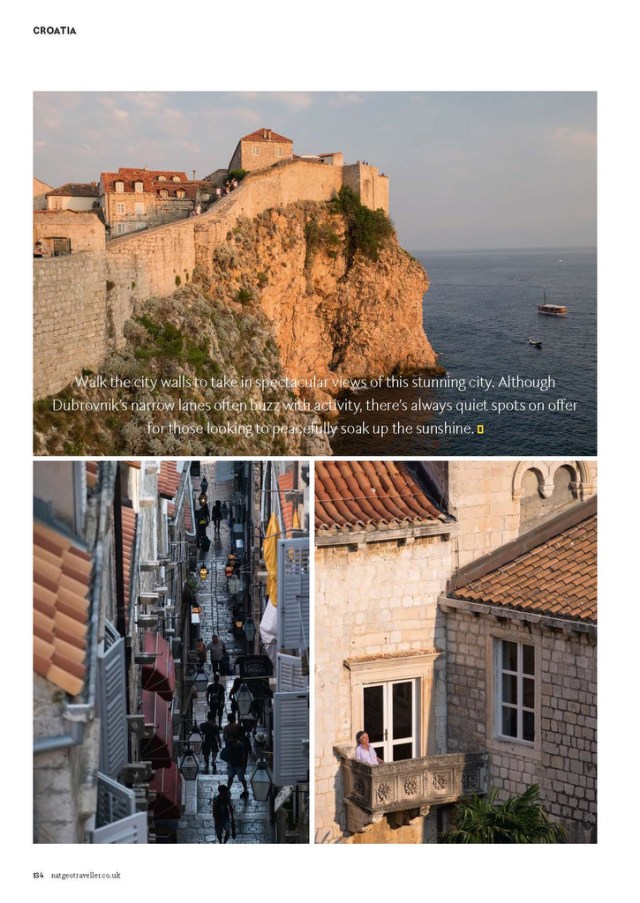
Now I’m fortunate enough to share part of the experience in a feature story I wrote and shot in the December 2016 issue of National Geographic Traveller (UK Edition). In it I share images from Hvar, Korcula, and, the jewel of the Adriatic, Dubrovnik. If you happen to be in the UK, pick up a copy on newsstands now, but if not, enjoy the layout here.

krista-rossow-croatia-photography-feature-2

December 2016 feature story on Croatia in National Geographic Traveller UK Edition written and photographed by Krista Rossow.

krista-rossow-croatia-photography-feature-3

December 2016 feature story on Croatia in National Geographic Traveller UK Edition written and photographed by Krista Rossow.

krista-rossow-croatia-photography-feature-4

December 2016 feature story on Croatia in National Geographic Traveller UK Edition written and photographed by Krista Rossow.

krista-rossow-croatia-photography-feature-5

December 2016 feature story on Croatia in National Geographic Traveller UK Edition written and photographed by Krista Rossow.

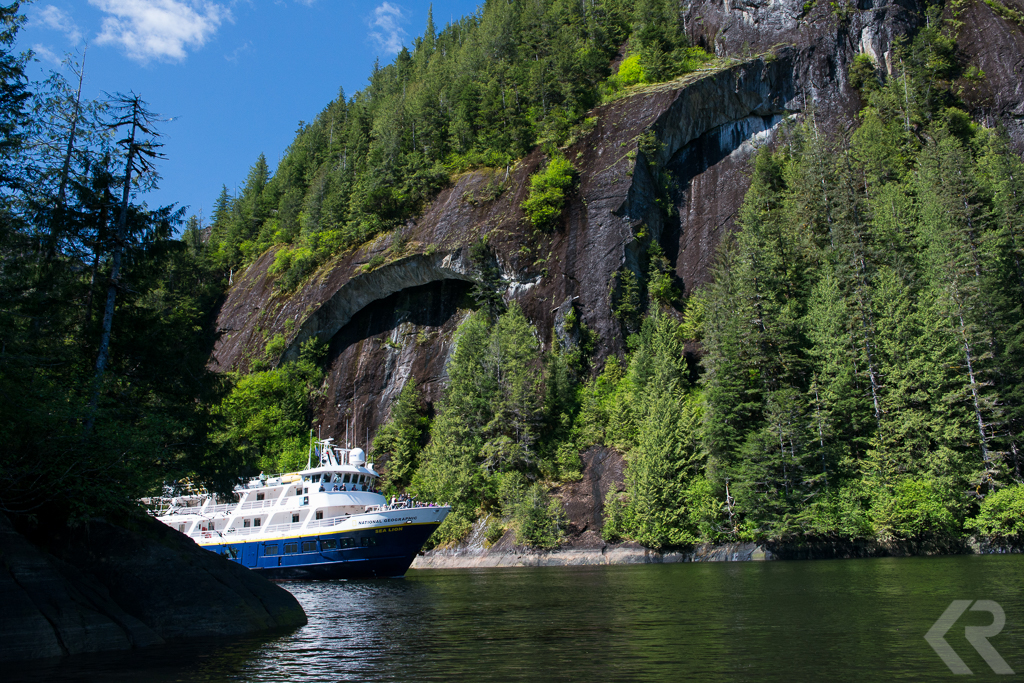
A small ship passes through a narrow passage in Alaska.

On Assignment with National Geographic Expeditions: Photography in Alaska & British Columbia

This past May I had the opportunity to travel as a National Geographic Expert on a voyage from Seattle, Washington, along the Inside Passage of British Columbia and Alaska. The National Geographic/Lindblad Expeditions A Remarkable Journey to Alaska, British Columbia & Haida Gwaii photography voyage was one of my favorites because as a Pacific Northwest native I felt right at home experiencing the lush forests and moody weather.

On September 3rd-17th of 2017, I’ll be joining as a National Geographic Expert on another Remarkable Journey to Alaska, British Columbia, and Haida Gwaii on board the National Geographic Sea Lion. Come join me on this intimate ship as we get up close and personal with the beauty of landscapes, wildlife, and culture of British Columbia and Alaska. I’ll be working with a talented photo team to provide insightful lectures and give tips and advice while on photo walks and photographing from the ship.

Here are a few images from last May’s expedition as a teaser of what the experience is like. To see more images from that voyage, visit my archive.

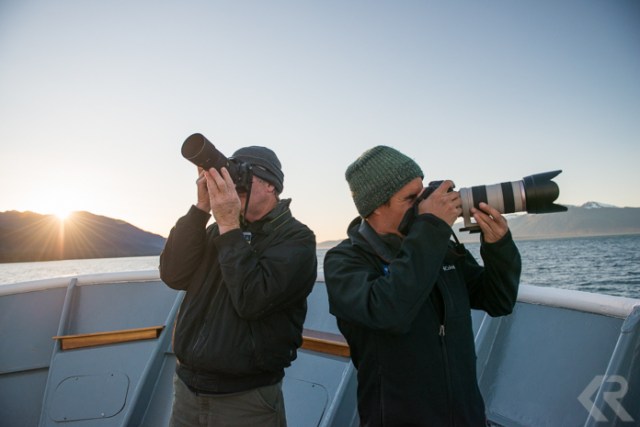
Two photographers on the bow of a ship.

On these expeditions, you’ll often find the photo team, like Photo Instructor Ryder Redfield (right), out on deck giving photo tips, especially during the beautiful sunset we had while navigating Frederick Sound.

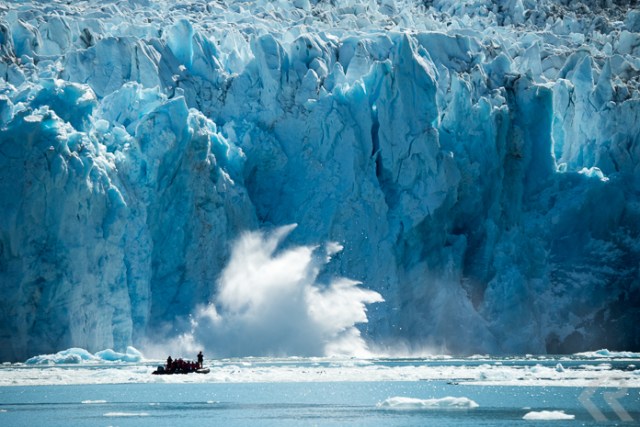
A glacier calves in front of a zodiac filled with people.

The morning we spent on zodiacs photographing the awe-inspiring Dawes Glacier calve was something I’ll never forget. It was an experience for all the senses, from the crackling sound like lightening in the ice to the giant aftershock waves that rocked the ship anchored over a mile away.

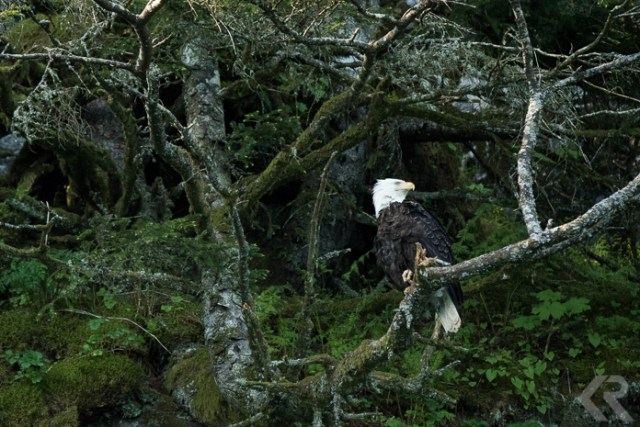
krista-rossow-alaska-expedition-inian-islands-4

I never tired of photographing bald eagles, like this one perched on a tree branch in the Inian Islands, which were ubiquitous in the rugged Alaskan landscape.

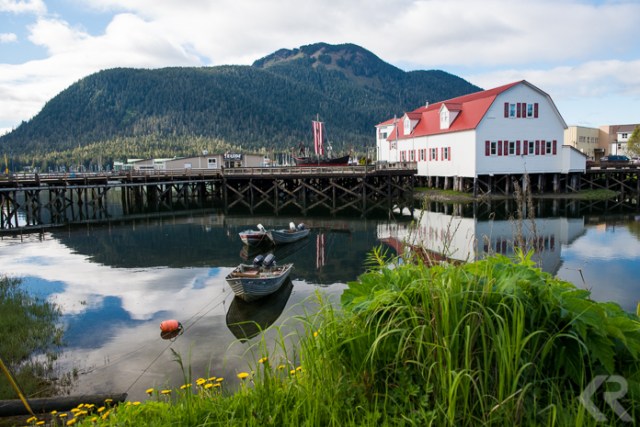
krista-rossow-alaska-expedition-1

In Petersburg, also known as Little Norway, we had a photo walk through the picturesque fishing village, capturing scenes of everyday life.

krista-rossow-alaska-expedition-5

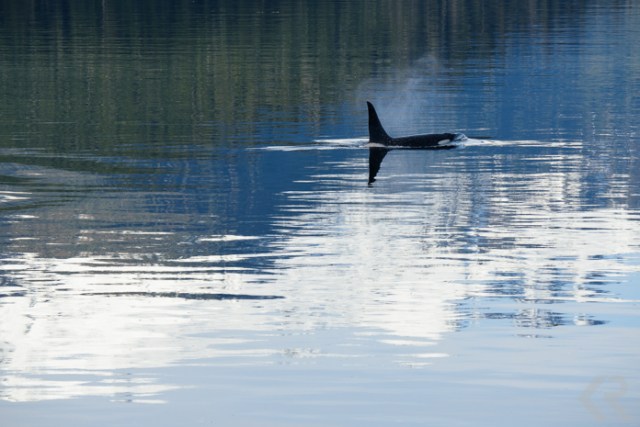
On the last full day of the voyage, we spent over an hour photographing orcas as they swam around the ship in nearly still waters on the Peril Straight.

I’d love to see you join the voyage with me in September of 2017. I can promise beautiful vistas, amazing wildlife, and loads of photographic learning…….but I can’t promise the same beautiful weather I had last May!

Photo Tip: Layer Your Landscapes

Photography is a tricky medium. With it, we are translating the 3D world into a 2D outcome. So how to you take a landscape, which has depth, and make a viewer see and feel dimension while looking at a flat screen or a flat photographic print?

First, we must realize that not every scene that we come across in real life is going to make a stunning photograph. How often on your travels do you pull over at a viewpoint and your jaw drops because the scene in front of you is gorgeous, but when you take the photo it just looks flat?

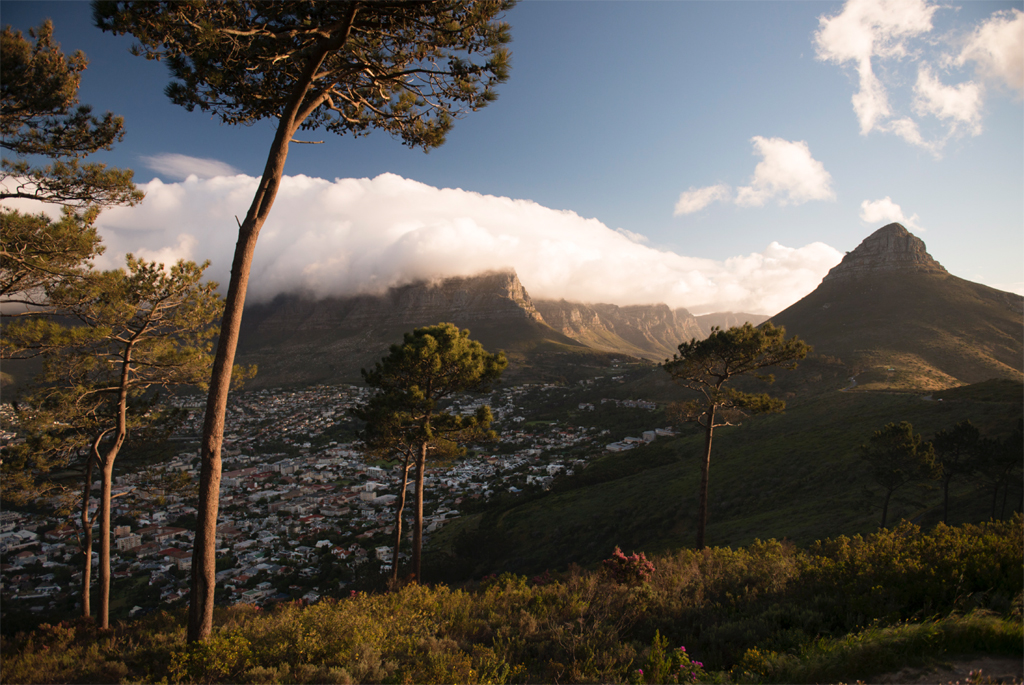
As photographers, we are responsible for “building in” depth to our pictures by adding layers into our landscapes. Sometimes light creates natural depth in a scene for us. As in the above shot from Cape Town, angled sunlight creates long shadows that tell our eyes there is dimension in the scene. Other times, we have to work harder to find a position to shoot from that incorporates interesting foregrounds, middle grounds, and backgrounds that force layers in the photograph.

In this post, I’ll show you a few photos from a recent backpacking trip into the Eagle Cap Wilderness in Eastern Oregon that will hopefully shed a little light (pun intended) onto how I think when composing a landscape shot.

krista-rossow-oregon-photographer-1

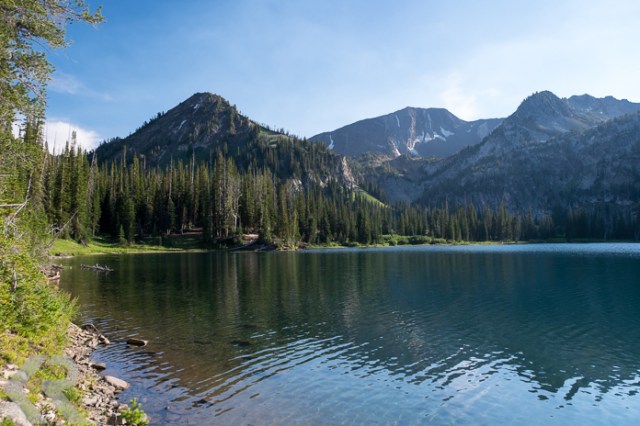
I’ll begin with the above straightforward “postcard”shot of Aneroid Lake that was taken in mid-afternoon. The angle of the sun allows a bit of play between light and shadow on the mountains (and is much more forgiving that if I’d taken this shot at noon), but there isn’t any depth to this photo aside from a bit of foreground leading my eye into the frame on the left.

Aneroid Lake in the Wallowa Mountains of Oregon.

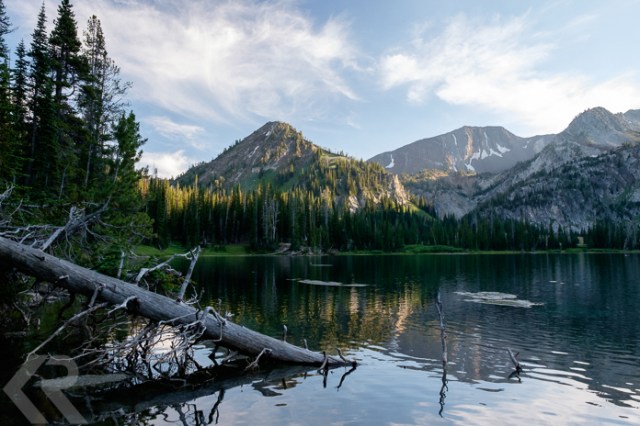
I decided to wait a bit longer for the sun to set further and create more dramatic light. You can see that the light is almost dancing around the mountain peak and has made the row of trees along the lake’s edge seem spotlit. I also decided to work harder by wading into the chilly water and finding a fallen tree to use as foreground. The silhouetted trees in the mid-ground also help to add dimension.

krista-rossow-oregon-photographer-3

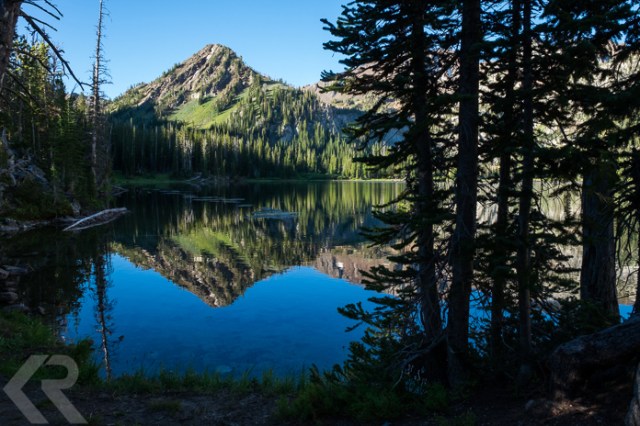
Still not totally satisfied, I got up early the next morning to see if I could make an even better picture. In this setup, I found some trees to use as dramatically silhouetted foreground and I was careful to include the curving bank to frame the edge of the photo and lead my eye back into the scene. The morning sun cast beautiful light onto the mountainside and gave dimension to the forest and rocks.

How do you add dimension and layers into your landscape shots? Feel free to leave your comments below.

Fall is for Photography

I’ve noticed recently that the days seemed to have already grown shorter and the mornings are crisper. That can only mean fall is right around the corner. Luckily, the changing of seasons brings about the opportunity to join photographer Jennifer Davidson and myself on two photo workshops in Texas and Virginia.

PictureAustin2016-1-cropped

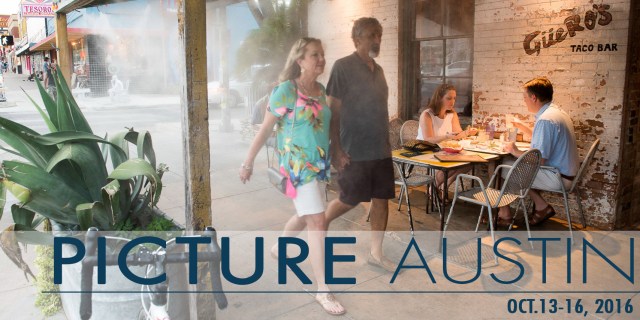
On October 13th through the 16th, join us in Texas’ quirky state capital for round two of Picture Austin. We had so much fun last year that we are doing it again!

During this workshop, we will pack the days to the brim with photographic learning. Time spent shooting in the field will be balanced with classroom sessions where we give students immediate feedback on their images and prepare them for more photographic exploration.

Come ready to rub elbows with politicos near the capitol building, tap your feet to live music along South Congress Avenue,  and rise early as the sun soaks the skyline, all while making captivating images that tell the story of this unique American city.

PictureWB2016-3-cropped-WEB-copy5

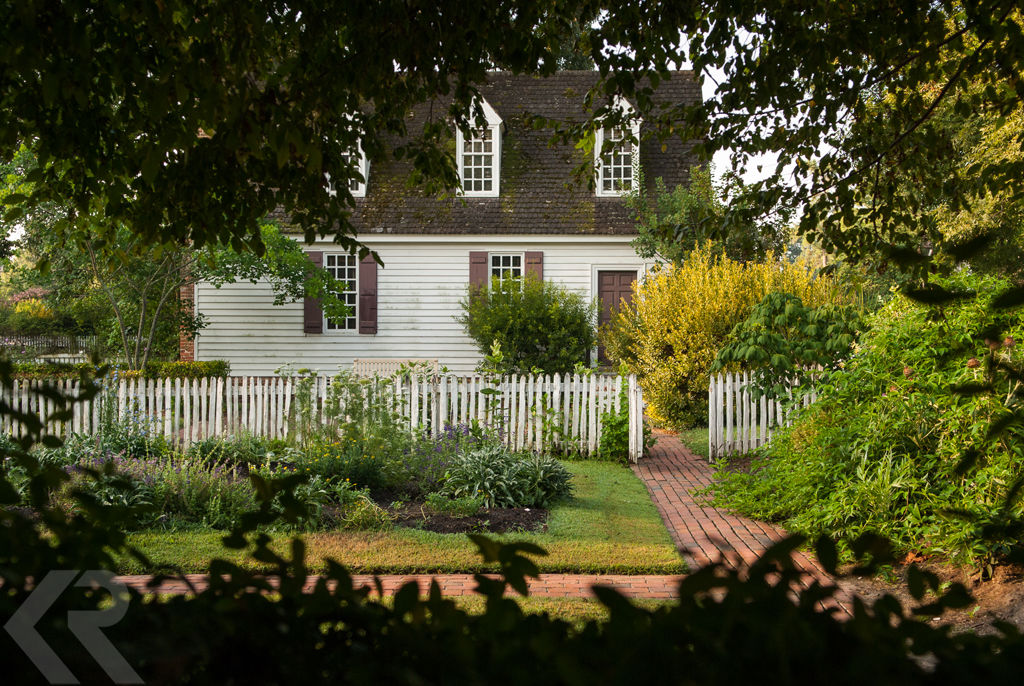
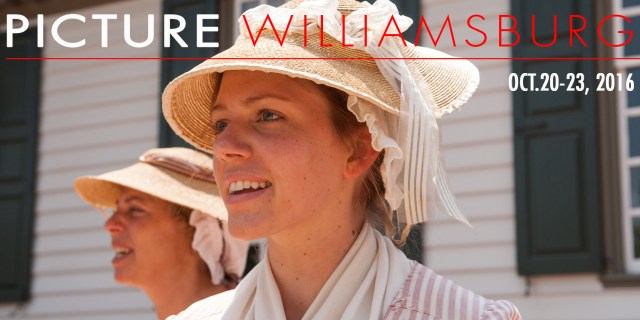
This October 20th through 23rd, you can join us in Virginia for Picture Williamsburg. During this four-day workshop, we will base in Colonial Williamsburg where you will learn how to make compelling images of this unique living history experience. Honing our people photography skills, we will make portraits of reenactors and learn how to translate those skills into everyday portrait situations in downtown Williamsburg.

We will also venture to Historic Jamestowne and the Yorktown Battlefield to round out our exploration of Virginia’s Historic Triangle and practice more photographic skills such as landscape photography. Come prepared to improve your photography where the past meets present.

20150801-Texas-KRossow-1871-800px.jpg

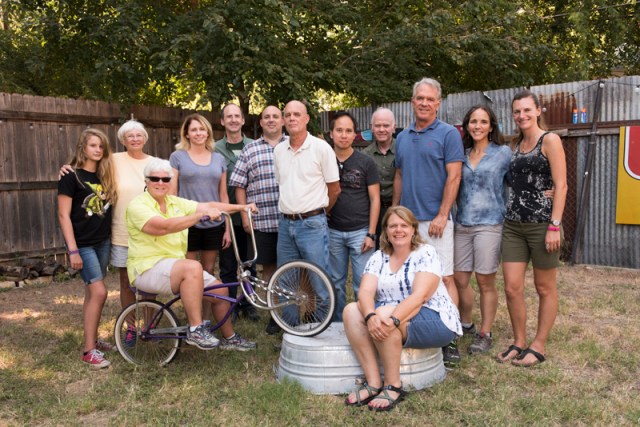
The students of Picture Austin 2015 with Jennifer and Krista.

Enrollment is limited to allow students maximum time with both instructors. We’d love to see you this fall!

Please visit the Picture Austin and Picture Williamsburg websites for more information. Or email me directly if you have any questions: krista(at)kristarossow.com.

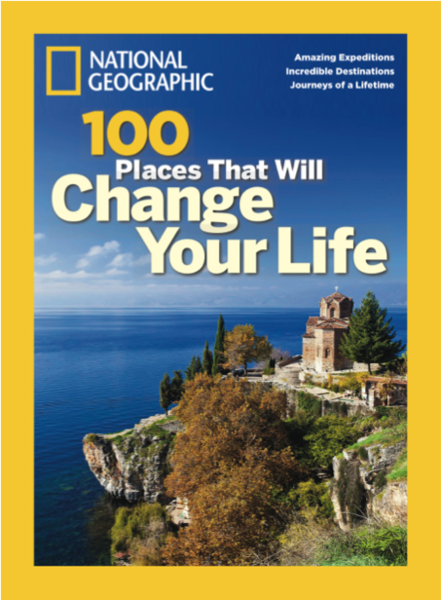
On Newsstands: 100 Places That Will Change Your Life

If you were in a book or grocery store lately, you may have seen the cover of this magazine inviting you to change your life. Indeed, this”book-a-zine” (bigger than a magazine, 600px 100  Placessmaller than a book), changed my life for quite a while last summer as I photo edited images for all of the amazing destinations held within its pages.

It had only been a couple of years since leaving my staff job at National Geographic Traveler as a photo editor and it felt great to work on 100 Places That Will Change Your Life. And, as always happens when working on these projects, my list of travel destinations has grown with priority now being given to a culinary trip to Oaxaca, a trail-restoring trek to Torres del Paine, and a trip to see turquoise waters in Croatia.

If you need a little travel inspiration and you missed this publication, you can order a copy via National Geographic here.

Krista Rossow Speaking at OPTIC 2016 in NYC

optic2016

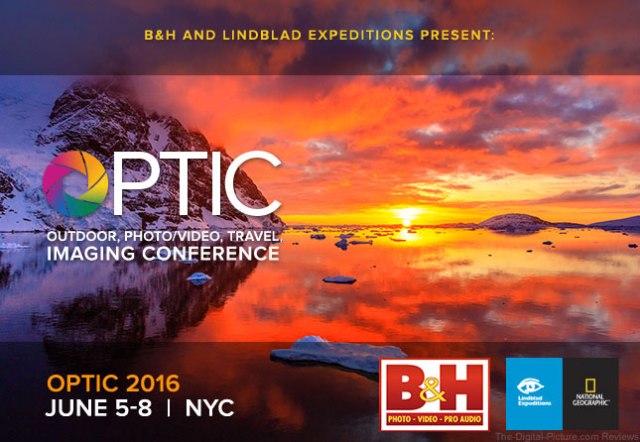
I’m pleased to announce that I’ll be speaking in New York City as part of OPTIC 2016, a photography event from June 5th-8th put on by the legendary B&H Photo Video and National Geographic/Lindblad Expeditions. This “Outdoor Photo/Video Travel Imaging Conference” can be attended for free in person or via livestreaming. Simply visit the website to register for either option.

On Sunday, June 5th, I’ll be speaking for Fujifilm discussing my recent experience using the X Series mirrorless system while traveling in Asia this past winter. For those curious about making the switch from DSLRs to mirrorless, I’ll be discussing my experience while sharing the resulting photographs and teaching why bigger isn’t necessarily better when it comes to cameras. If you can’t make it in person, read a recap on B&H’s Explora blog here or watch the archived footage here.

Also on Sunday, I’ll be on the main stage speaking about how to “Think Like an Editor.” I will discuss how I believe that for travel photography, photo editing begins even before taking a picture. Today’s photographers are their own photo editors, and not in the sense of using Instagram filters or Photoshop, but in the sense of selecting the best imagery to share with an audience, whether that is in a family album or professional portfolio. I will give tips on how to “improve your photographic odds” by preparing to take travel photographs through research and planning. I will discuss considerations for capturing the best images while in the field and give insight on the process of curating the best images once the images have been made. From my experience as a both a photographer on assignment and as a photo editor needing to convey an effective story, I will give practical insight into improving your photography and telling your own story. Register here to livestream this talk.

Sign up to also hear talks by my National Geographic colleagues Erika Larsen, Jay Dickman, Flip Nicklen, and Ralph Lee Hopkins and many other industry professionals. If you are in New York City, make sure to visit the trade show and to register for portfolio reviews, a photo walk in Central Park, a photo cruise, and a dinner party sponsored by Nikon. All the information is on the website: www.optic2016.com.

I hope to see you in New York or virtually on the small-screen somewhere in the world!

UPDATE: The talks I gave in New York are now archived with B&H. To see my editing talk, click here, and to see the talk about shooting with mirrorless, click here.

Seattle Washington skyline at twilight with Space Needle.

Photographing the Blue Hour

My favorite time of day to photograph cities is the blue hour. Now, the blue hour really isn’t an hour at all, but a much shorter span of time that occurs before sunrise or after sunset.

In the morning, it is the transition time where the sun is inching closer to the horizon and the sky turns from inky black to an electric blue; with the opposite occurring in the evening. Depending on cloud cover, this lighting scenario happens approximately twenty to thirty minutes before sunrise or after sunset.

During this window of time, the ambient light balances with the artificial lights of buildings and monuments in urban scenes and you can easily capture the entire dynamic range of the scene. No need to take multiple exposures and stitch together an HDR (high-dynamic range) shot!

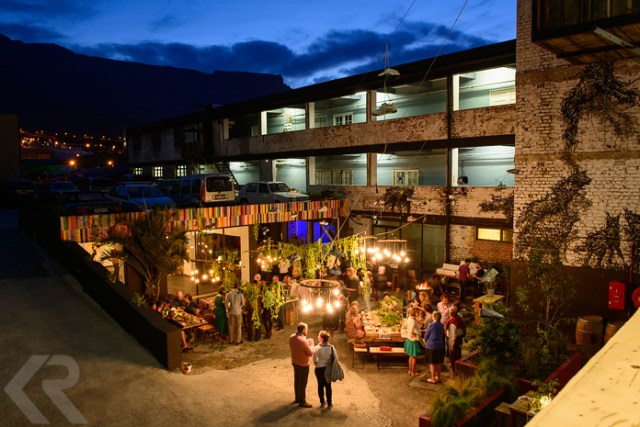
Dinner party scene in the Woodstock neighborhood of Cape Town with Table Mountain in background.

When I was invited to a dinner at Side Street Studios, I arrived early to scout out an angle that would include Cape Town’s iconic Table Mountain. Shortly after sunset, the timing was right and I captured both the activity of guests mingling and the mountain silhouetted against a dark blue sky.

Tech Talk

To capture the electric blue sky, it is optimal to use a tripod which will allow you to shoot with a lower ISO such as 400 or 800 and a wider depth of field like f/11 while keeping steady at slow shutter speeds. Because slow shutter speeds can easily be achieved at this time of day, I also love to play with motion blur from vehicles and other moving objects to add interest to my compositions.

But if you are tripod averse, as I often am, the solution is simple: turn up your ISO, shoot at your shallowest aperture, and do your best to reduce camera shake by bracing yourself or your camera against something solid. You won’t get to play with motion blur, but you’ll capture this vibrant time of day nonetheless.

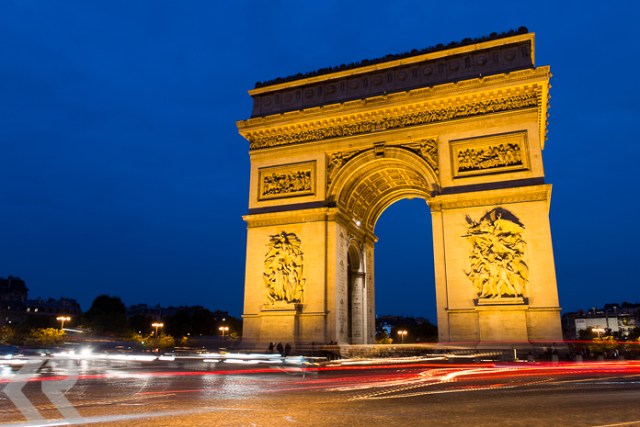
The Arc de Triomphe at dusk in the Place Charles de Gaulle in Paris, France.

The Arc de Triomphe already looks gorgeous with a stunning blue sky behind it, but by using a tripod and a slow shutter speed, the vehicle lights add another dynamic visual element and also fill the empty space of pavement surrounding the monument.

Be Prepared

I have to admit that I prefer photographing the blue hour after sunset rather than before sunrise. This is simply because I can easily scout out the scene I want to capture in the daylight instead of having to scout the day prior or finding myself fumbling around in the dark with a flashlight and hoping I’ve found a good position.

Once in position, take test shots and get ready for the light to change quickly. I like to take test shots and check my histogram as I go to not only adjust exposure but to also see when the scene is getting more similar in tone. I find that the optimal time for the best photograph is actually when the scene is looking a bit too dark to my eyes.

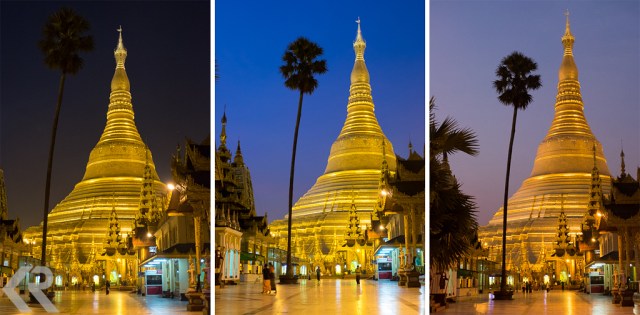
Examples of changing light at Shwedagon Pagoda in Myanmar at dawn.

The light changes very quickly at dawn, as you can see from these shots which were taken at 6:31am, 6:39am, and 6:45am at the Shwedagon Pagoda in Yangon, Myanmar.

Looking Back on 2015

In my (at times crazy) freelance life, I’m lucky to get to wear three hats: photographer, editor, and teacher. This past year had me busily swapping hats and it awarded me with some unforgettable experiences.

Last year I rang in the New Year overlooking the twinkling lights of Paris before heading to Spain to photograph a chilly Marbella on the Costa del Sol and then venturing to South Africa to shoot a feature story for National Geographic Traveler. February found me teaching photography in the Galápagos Islands for National Geographic Expeditions.

Fast forward to a summer spent teaching on ships on the Equator and in the Arctic Cirle and to my first workshop co-teaching with Jennifer Davidson in Austin, Texas. After returning home for the fall I put on my photo editing hat and got to work on multiple projects for National Geographic (did you see the Adelaide and Best of the World feature stories in the Dec 2015/Jan 2016 issue of National Geographic Traveler?). After Thanksgiving I headed south again to take part in the first Epic Photo Expedition in the Galápagos.

As the adage goes, pictures tell a thousand words, so I’ll let these images help tell the story of my most memorable experiences of 2015.

On Assignment: Durban Days

Scene on the Durban waterfront.

I fell in love with South Africa in 2013 and was delighted to be asked by National Geographic Traveler to head back to photograph Durban and the Kwa-Zulu Natal region for the May 2015 issue. I went on safari in a UNESCO World Heritage site, hiked into the jaw-dropping Drakensburg Mountains on the border with Lesotho, and explored the urban landscape of Durban. I ate plenty of curry and spent as much time as I could on the waterfront documenting the everyday lives of Durbanites. The photos from this assignment were also displayed in a gallery show in Durban during the INDABA travel show.
Most Obscure Destination: Jan Mayen

krista-rossow-jan-mayen-landscape

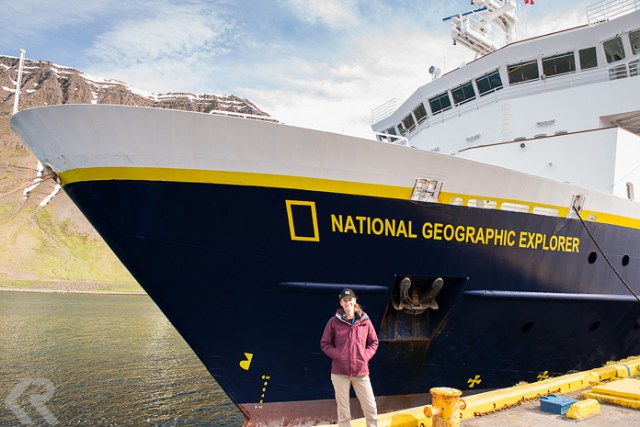
I had never heard of Jan Mayen until the day before setting foot on the island while traveling as a photo expert on the National Geographic Explorer. Located at 70°59′N 8°32′W in the middle of the Arctic Ocean, we had the opportunity to explore this Norwegian island on a rare sunny afternoon. We walked on a moonlike landscape and admired the “shy” glacier-covered Beerenberg Volcano as it would occasionally emerge from its cloud cover.

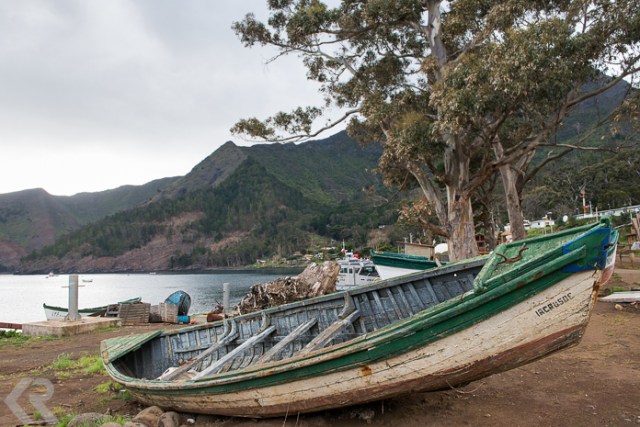
Second Most Obscure Destination: Juan Fernández Archipelago

krista-rossow-robinson-crusoe-island

Located 416 miles off of the coast of Chile is a land that inspired the novel Robinson Crusoe, the Juan Fernández Archipelago. While working on the National Geographic Explorer as a photo expert on a voyage exploring Peru and Chile, I was able to go on shore on Robinson Crusoe Island and even hike high into the foothills of this verdant, charming, and almost forgotten isle.

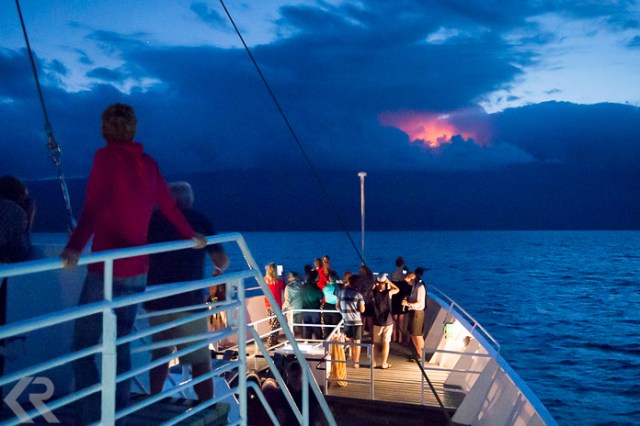
Most Exhilarating Experience: An Erupting Volcano

kristar-rossow-wolf-volcano-eruption

A week before I headed to the Galápagos Islands in June, I heard news of Wolf Volcano erupting. I couldn’t wait to get down to the islands to perhaps catch a glimpse. Although nowhere near the full splendor of the initial eruption, what I saw was equally awe-inspiring. One evening, as the National Geographic Endeavour navigated closer to the island and the light faded from the sky, the lava hot spots illuminated the smoke and clouds in a terrific orange color. We stayed up late into the night entranced by the glow and trying our best to photograph a low-light situation from a moving platform (this was definitely the most difficult photographic situation of the year!).

Favorite American Experience

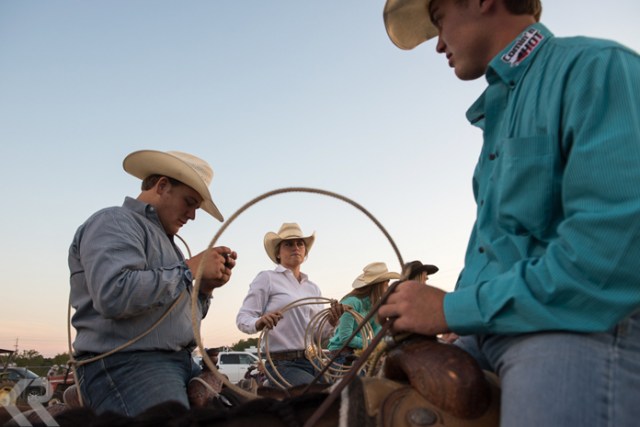
krista-rossow-texas-rodeo

As much as I love to experience other cultures, I always have loved American culture. During the Picture Austin photo workshop I taught with Jennifer Davidson, we took our students to the Bastrop Homecoming Rodeo to capture this American tradition.

Most Memorable Wildlife Experience

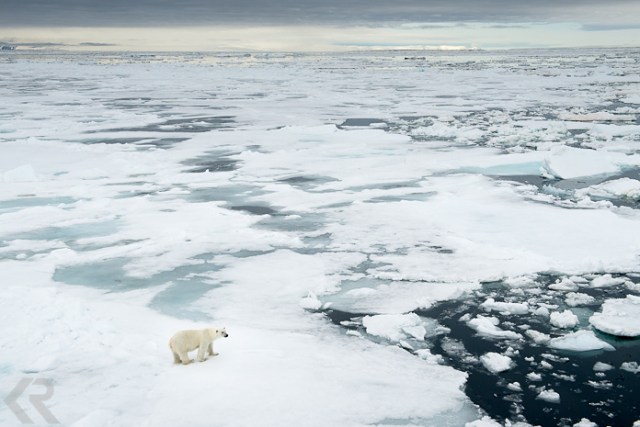
krista-rossow-polar-bear-arctic

I’d never before seen a polar bear in the wild, and although this fellow came right up to the bow of our ship (we think he smelled the bacon from breakfast) during my Arctic expedition, I’m sharing this wide-angle shot of him in his native habitat. It struck me as so poignantly beautiful that these powerful creatures live solitary lives in extreme environments. It reminded me that the way we live our daily lives has repercussions further away than we might imagine.

Best Teaching Team

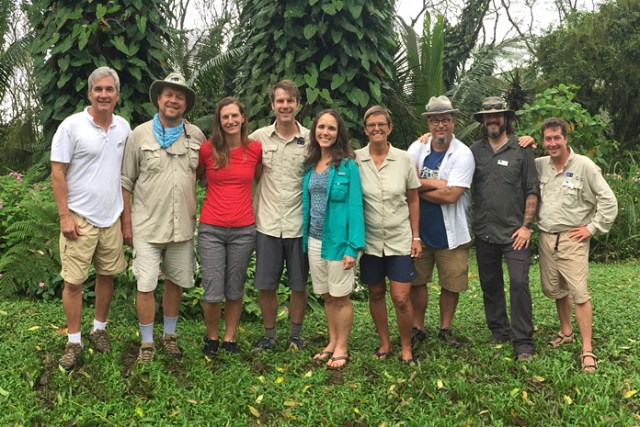
epic-galapagos-photo-team

Last month I was part of an incredible team brought together for the first Epic Photo Expedition in the Galápagos. From left to right: Mark Thiessen, Ralph Lee Hopkins, me, Jonathan Kingston, Jennifer Davidson, Tui De Roy, Gabe Biderman, David Brommer, and Rich Reed. I’m heading back this December for another epic; will you join? Photo courtesy of Greg Cook.

So Many Miles

krista-rossow-national-geographic-explorer

In 2015 I took 68 flights, six expeditions by ship, and added four new countries to my list. The year was filled with new faces and places with a little editing here, some shooting there, and a lot of teaching others to love photography.

2016 already promises lots of adventures starting with attending the annual National Geographic Seminar tomorrow in Washington, DC, and leaving for an Asian adventure next week.

Stay up to date with all that is happening here and through my quarterly newsletter. I hope our paths cross in this new year. Happy 2016!

Looking Ahead: Springtime in Texas

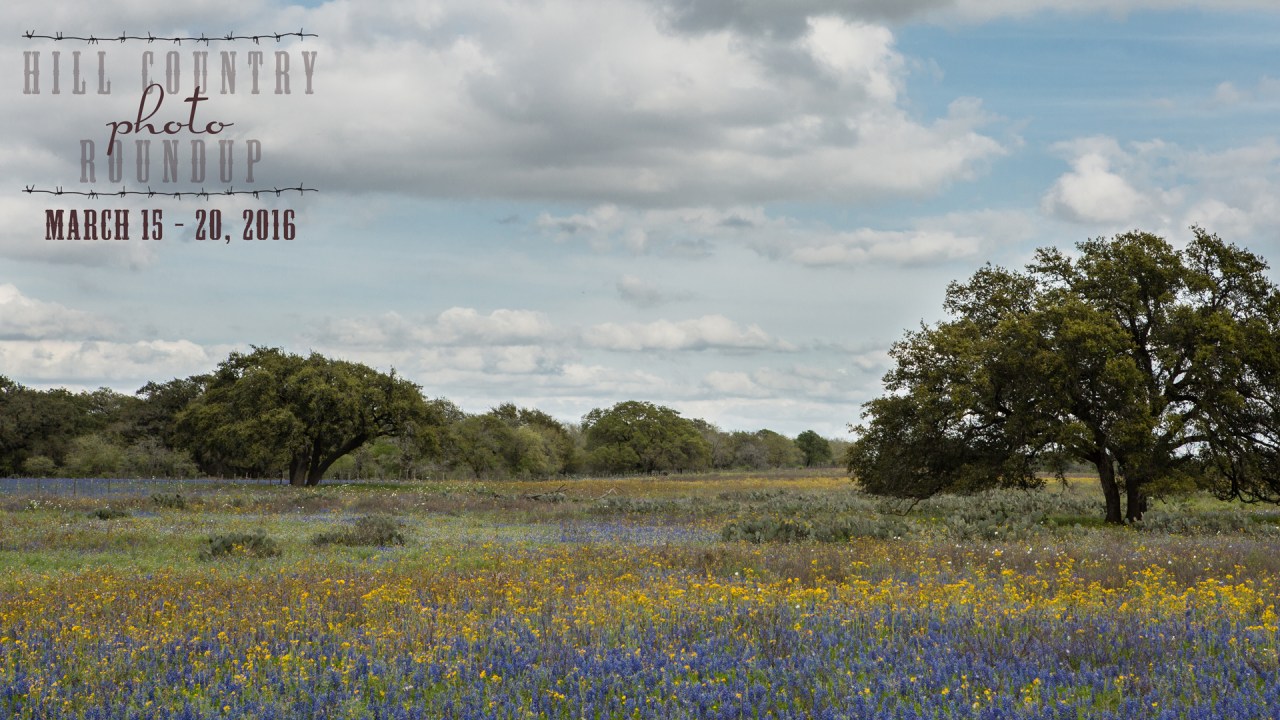
I’m pleased to announce the Hill Country Photo Roundup, another workshop I’ll be teaching with veteran photo instructor and native Texan Jennifer Davidson in one of the most beautiful and culturally rich regions of Texas.

If you’ve been to Hill Country before, you’re already in on the secret, but if you were like me, I had a different idea of what this region outside of Austin and San Antonio had in store before my recent visit. The Hill Country has hills, true enough, but it has so much more: wildflowers, cypress-lined rivers, rock plateaus, barbecue, dance halls, and even schnitzel.

We will be based in Fredericksburg, a Texan town rich in German heritage that is a mecca for artists and wine-lovers. The location will allow us to make day trips throughout the region to photograph through barbecue smoke in Llano, search for cowboy culture in Bandera, the “Cowboy Capital of the World,” and kick up our heels as we click our shutters at the Luckenbach dance hall.

We will photograph Enchanted Rock at dawn, a beautiful pink granite formation, and float down a crystal-clear river lined with the graceful roots of cypress trees. And, if Mother Nature is kind to us this March, our vistas will be brightened with blooming wildflowers.

In between our photo excursions in the region, we will have ample time for one-on-one critiques, two group reviews, multiple lectures, and socializing to get to know your fellow photographers.

I hope to see you March 15th-20th, 2016, in Texas! To find out more and register, click here.

Holiday Special: Make your deposit by December 31st and receive a 5% discount off of the total workshop fee!