Seattle Washington skyline at twilight with Space Needle.

Photographing the Blue Hour

My favorite time of day to photograph cities is the blue hour. Now, the blue hour really isn’t an hour at all, but a much shorter span of time that occurs before sunrise or after sunset.

In the morning, it is the transition time where the sun is inching closer to the horizon and the sky turns from inky black to an electric blue; with the opposite occurring in the evening. Depending on cloud cover, this lighting scenario happens approximately twenty to thirty minutes before sunrise or after sunset.

During this window of time, the ambient light balances with the artificial lights of buildings and monuments in urban scenes and you can easily capture the entire dynamic range of the scene. No need to take multiple exposures and stitch together an HDR (high-dynamic range) shot!
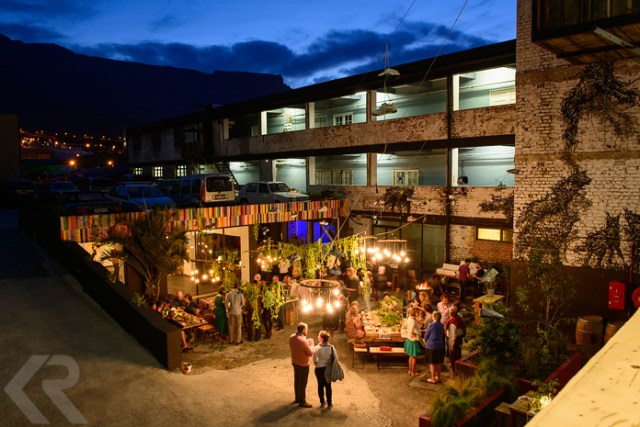
Dinner party scene in the Woodstock neighborhood of Cape Town with Table Mountain in background.

When I was invited to a dinner at Side Street Studios, I arrived early to scout out an angle that would include Cape Town’s iconic Table Mountain. Shortly after sunset, the timing was right and I captured both the activity of guests mingling and the mountain silhouetted against a dark blue sky.

Tech Talk

To capture the electric blue sky, it is optimal to use a tripod which will allow you to shoot with a lower ISO such as 400 or 800 and a wider depth of field like f/11 while keeping steady at slow shutter speeds. Because slow shutter speeds can easily be achieved at this time of day, I also love to play with motion blur from vehicles and other moving objects to add interest to my compositions.

But if you are tripod averse, as I often am, the solution is simple: turn up your ISO, shoot at your shallowest aperture, and do your best to reduce camera shake by bracing yourself or your camera against something solid. You won’t get to play with motion blur, but you’ll capture this vibrant time of day nonetheless.
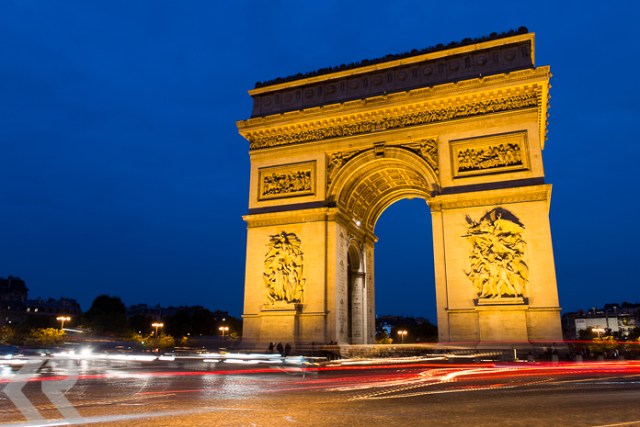
The Arc de Triomphe at dusk in the Place Charles de Gaulle in Paris, France.

The Arc de Triomphe already looks gorgeous with a stunning blue sky behind it, but by using a tripod and a slow shutter speed, the vehicle lights add another dynamic visual element and also fill the empty space of pavement surrounding the monument.

Be Prepared

I have to admit that I prefer photographing the blue hour after sunset rather than before sunrise. This is simply because I can easily scout out the scene I want to capture in the daylight instead of having to scout the day prior or finding myself fumbling around in the dark with a flashlight and hoping I’ve found a good position.

Once in position, take test shots and get ready for the light to change quickly. I like to take test shots and check my histogram as I go to not only adjust exposure but to also see when the scene is getting more similar in tone. I find that the optimal time for the best photograph is actually when the scene is looking a bit too dark to my eyes.
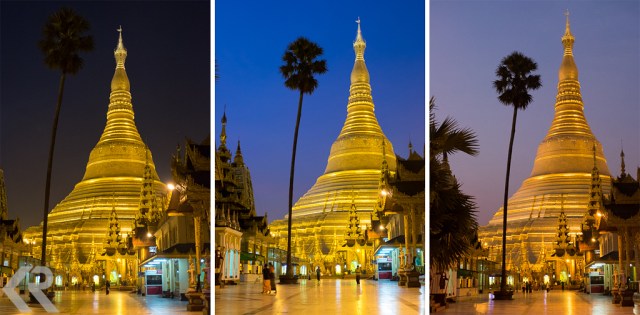
Examples of changing light at Shwedagon Pagoda in Myanmar at dawn.

The light changes very quickly at dawn, as you can see from these shots which were taken at 6:31am, 6:39am, and 6:45am at the Shwedagon Pagoda in Yangon, Myanmar.

Looking Back on 2015

In my (at times crazy) freelance life, I’m lucky to get to wear three hats: photographer, editor, and teacher. This past year had me busily swapping hats and it awarded me with some unforgettable experiences.

Last year I rang in the New Year overlooking the twinkling lights of Paris before heading to Spain to photograph a chilly Marbella on the Costa del Sol and then venturing to South Africa to shoot a feature story for National Geographic Traveler. February found me teaching photography in the Galápagos Islands for National Geographic Expeditions.

Fast forward to a summer spent teaching on ships on the Equator and in the Arctic Cirle and to my first workshop co-teaching with Jennifer Davidson in Austin, Texas. After returning home for the fall I put on my photo editing hat and got to work on multiple projects for National Geographic (did you see the Adelaide and Best of the World feature stories in the Dec 2015/Jan 2016 issue of National Geographic Traveler?). After Thanksgiving I headed south again to take part in the first Epic Photo Expedition in the Galápagos.

As the adage goes, pictures tell a thousand words, so I’ll let these images help tell the story of my most memorable experiences of 2015.

On Assignment: Durban Days

Scene on the Durban waterfront.

I fell in love with South Africa in 2013 and was delighted to be asked by National Geographic Traveler to head back to photograph Durban and the Kwa-Zulu Natal region for the May 2015 issue. I went on safari in a UNESCO World Heritage site, hiked into the jaw-dropping Drakensburg Mountains on the border with Lesotho, and explored the urban landscape of Durban. I ate plenty of curry and spent as much time as I could on the waterfront documenting the everyday lives of Durbanites. The photos from this assignment were also displayed in a gallery show in Durban during the INDABA travel show.

Most Obscure Destination: Jan Mayen

krista-rossow-jan-mayen-landscape

I had never heard of Jan Mayen until the day before setting foot on the island while traveling as a photo expert on the National Geographic Explorer. Located at 70°59′N 8°32′W in the middle of the Arctic Ocean, we had the opportunity to explore this Norwegian island on a rare sunny afternoon. We walked on a moonlike landscape and admired the “shy” glacier-covered Beerenberg Volcano as it would occasionally emerge from its cloud cover.

Second Most Obscure Destination: Juan Fernández Archipelago

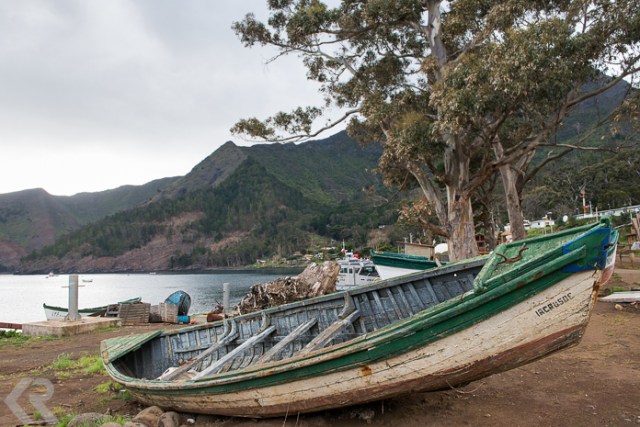
krista-rossow-robinson-crusoe-island

Located 416 miles off of the coast of Chile is a land that inspired the novel Robinson Crusoe, the Juan Fernández Archipelago. While working on the National Geographic Explorer as a photo expert on a voyage exploring Peru and Chile, I was able to go on shore on Robinson Crusoe Island and even hike high into the foothills of this verdant, charming, and almost forgotten isle.

Most Exhilarating Experience: An Erupting Volcano

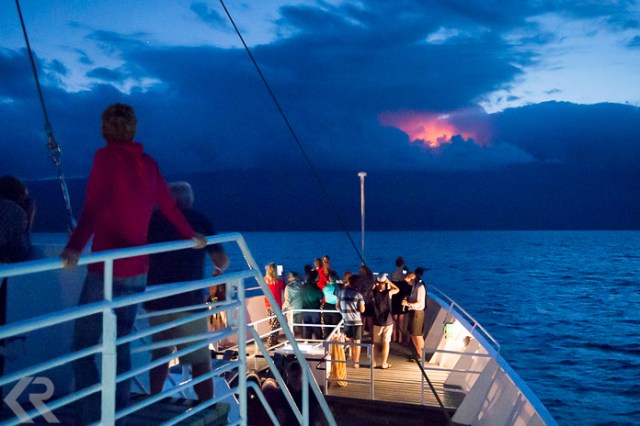
kristar-rossow-wolf-volcano-eruption

A week before I headed to the Galápagos Islands in June, I heard news of Wolf Volcano erupting. I couldn’t wait to get down to the islands to perhaps catch a glimpse. Although nowhere near the full splendor of the initial eruption, what I saw was equally awe-inspiring. One evening, as the National Geographic Endeavour navigated closer to the island and the light faded from the sky, the lava hot spots illuminated the smoke and clouds in a terrific orange color. We stayed up late into the night entranced by the glow and trying our best to photograph a low-light situation from a moving platform (this was definitely the most difficult photographic situation of the year!).

Favorite American Experience

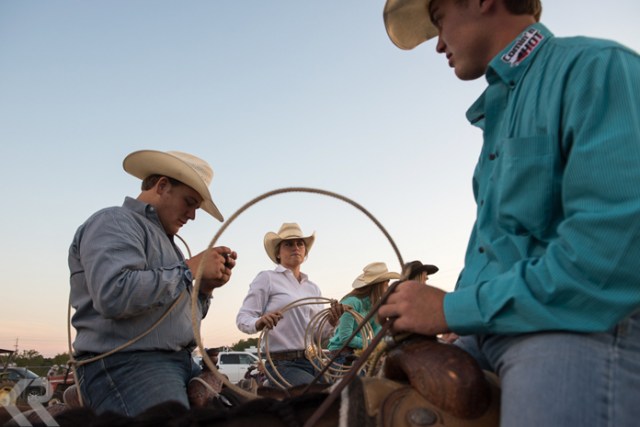
krista-rossow-texas-rodeo

As much as I love to experience other cultures, I always have loved American culture. During the Picture Austin photo workshop I taught with Jennifer Davidson, we took our students to the Bastrop Homecoming Rodeo to capture this American tradition.

Most Memorable Wildlife Experience

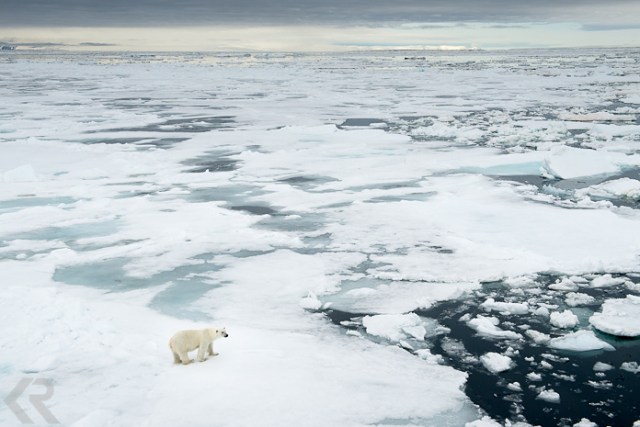
krista-rossow-polar-bear-arctic

I’d never before seen a polar bear in the wild, and although this fellow came right up to the bow of our ship (we think he smelled the bacon from breakfast) during my Arctic expedition, I’m sharing this wide-angle shot of him in his native habitat. It struck me as so poignantly beautiful that these powerful creatures live solitary lives in extreme environments. It reminded me that the way we live our daily lives has repercussions further away than we might imagine.

Best Teaching Team

epic-galapagos-photo-team

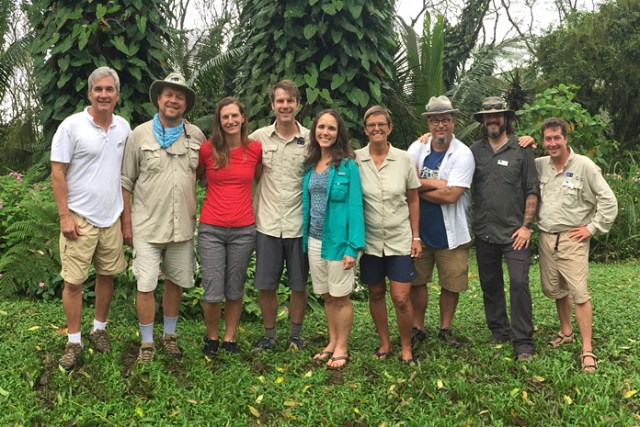
Last month I was part of an incredible team brought together for the first Epic Photo Expedition in the Galápagos. From left to right: Mark Thiessen, Ralph Lee Hopkins, me, Jonathan Kingston, Jennifer Davidson, Tui De Roy, Gabe Biderman, David Brommer, and Rich Reed. I’m heading back this December for another epic; will you join? Photo courtesy of Greg Cook.

So Many Miles

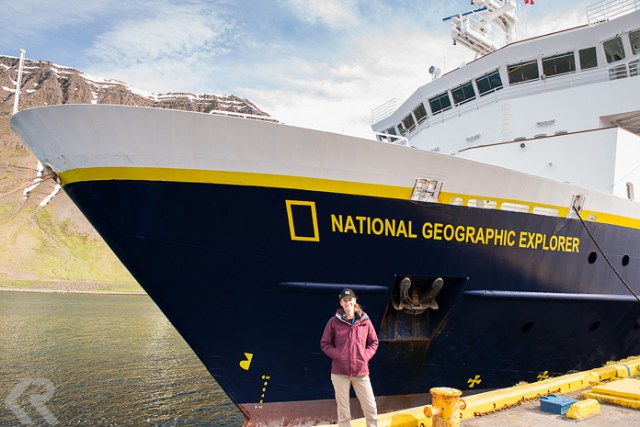
krista-rossow-national-geographic-explorer

In 2015 I took 68 flights, six expeditions by ship, and added four new countries to my list. The year was filled with new faces and places with a little editing here, some shooting there, and a lot of teaching others to love photography.

2016 already promises lots of adventures starting with attending the annual National Geographic Seminar tomorrow in Washington, DC, and leaving for an Asian adventure next week.

Stay up to date with all that is happening here and through my quarterly newsletter. I hope our paths cross in this new year. Happy 2016!

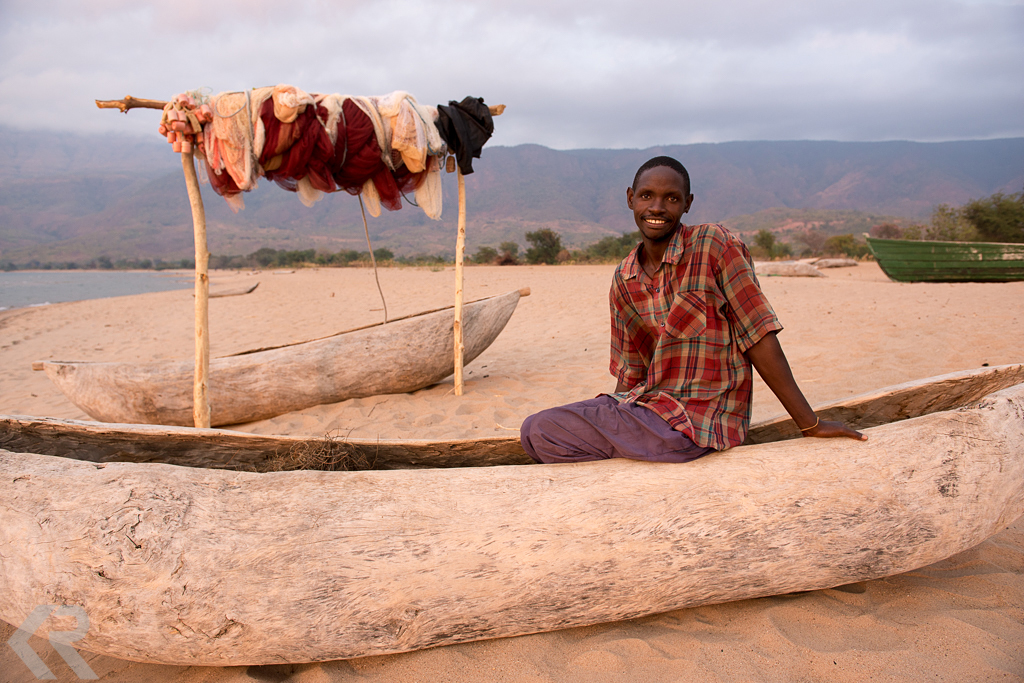
Portrait of a man on Chitemba Beach in Malawi.

Photographing People Part II: It’s All in the Approach

In my first post on photographing people I discussed what kind of lens I usually use and what my general philosophy is on approaching strangers. Today I’ll cover when I ask for permission, how to communicate with body language, and the approach.

To Ask or Not to Ask….Permission

In most situations where I’m photographing people, if possible I prefer to ask permission (verbally or non verbally). Now this doesn’t mean I stop everybody who passes in front of my lens, but it is useful when I know I want to spend time making pictures of somebody. And of course there are moments that would be missed if I stopped to ask permission, so I take the picture! Then if I’d like to continue to shoot, I’ll ask permission.

People will occasionally tell me no, which is always disappointing, but I move on. I figure that if someone isn’t up for it, I won’t make a good picture anyway.

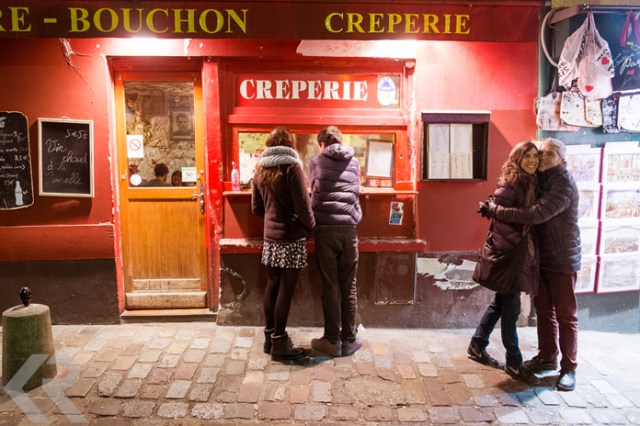
Two couples outside of a crepe stand in Paris

When I walked pass this crepe stand in the Montmartre neighborhood of Paris, I had to click my shutter immediately or the moment between the couple on the right would’ve vanished.

Body Language

Permission doesn’t need to be verbal and in fact, it can’t be if there isn’t a shared language. This is where a simple smile or a point to the camera works wonders. Or I’ll start shooting, as with the situation in the photo above, and when I’m noticed I lower my camera and give a smile or wave. I’ve gotten very few ambiguous answers with these techniques. It is usually as clear as night and day whether somebody is keen for their photo to be taken.

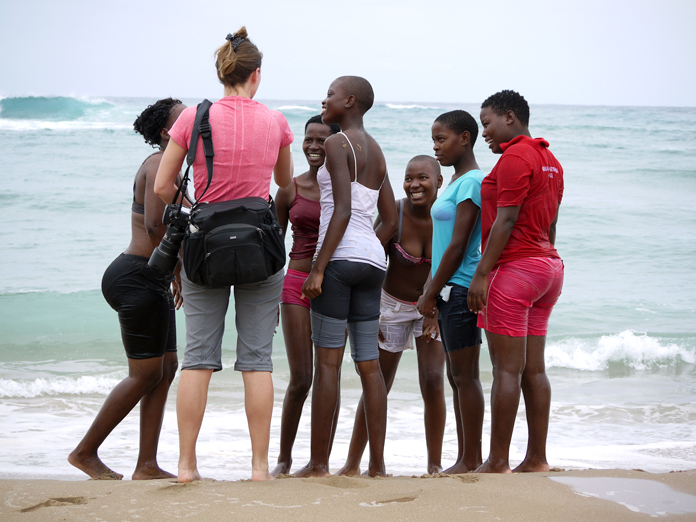
Krista Rossow and South African women on beach in Kwa-Zulu Natal.

Although we didn’t share a language in this “discussion,” these South African women understood that I wanted to take their photos while I was on assignment in Kwa-Zulu Natal and later delighted in hamming in front of my lens. Photo by George W. Stone.

The Approach

I find that if I go into a situation nervous and unsure, people can sense the unease in my approach and will react similarly. I’m not always in the right state when approaching strangers, so I might need to give myself a pep talk. It is uncanny how people pick up on unspoken cues.

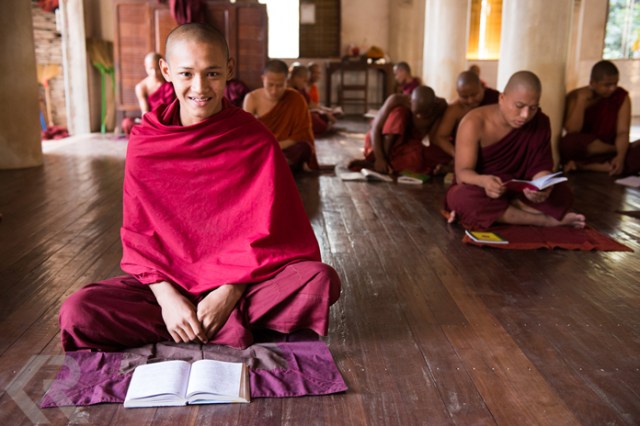
Portrait of a young monk studying at a monastery in Myanmar.
While photographing at this monastery in the outskirts of Yangon, Myanmar, I moved quietly, watched with interest, made eye contact, and exchanged smiles.

In the upcoming posts I’ll cover putting your subject at ease, model releases and paying for photographs, lens choice, and much more. Please leave your own tips on photographing people in the comments below.

2014 By the Numbers

It isn’t every year one can say that they’ve been around the world.

Well, 2014 was a unique year for me. I made my way around the world, with a couple extra crossings of the Atlantic Ocean and Equator thrown in for good measure. Many photos were taken (around 50k) and the passport never got cold. Here is a bit of a round-up in numbers and superlatives.

Colorful time zone map of the world

Countries visited: 18 (In order of appearance….Japan, China, Vietnam, Singapore, Myanmar, India, Mauritius, South Africa, Ghana, Morocco, England, Denmark, Sweden, Ecuador, France, Spain, Costa Rica, and Mexico.)

Number of airplane take offs and, thank goodness, landings: 45

Trains taken: 8

First class Mexican buses taken: 1

Favorite modes of alternative transport: horse, tuk tuk, Indian houseboat, Burmese bicycle taxi, zodiac boat, cable car

Miles sailed with Semester at Sea: 23,379.5 nautical miles

Number of days spent living on a ship: 143 (115 on the MV Explorer and 28 on the National Geographic Endeavour)

Amount of college students stuck on a ship with me (and me with them): over 500

Time zones crossed: all of them

Most interesting geographic coordinate: zero degrees longitude and zero degrees latitude in the Gulf of Guinea (yes, there is a buoy out there)

As I write this from Paris, I already know 2015 will be filled with more travels and many more photos. Stay tuned for adventures from France, Spain, South Africa, Ecuador, and who knows where else. Happy 2015!

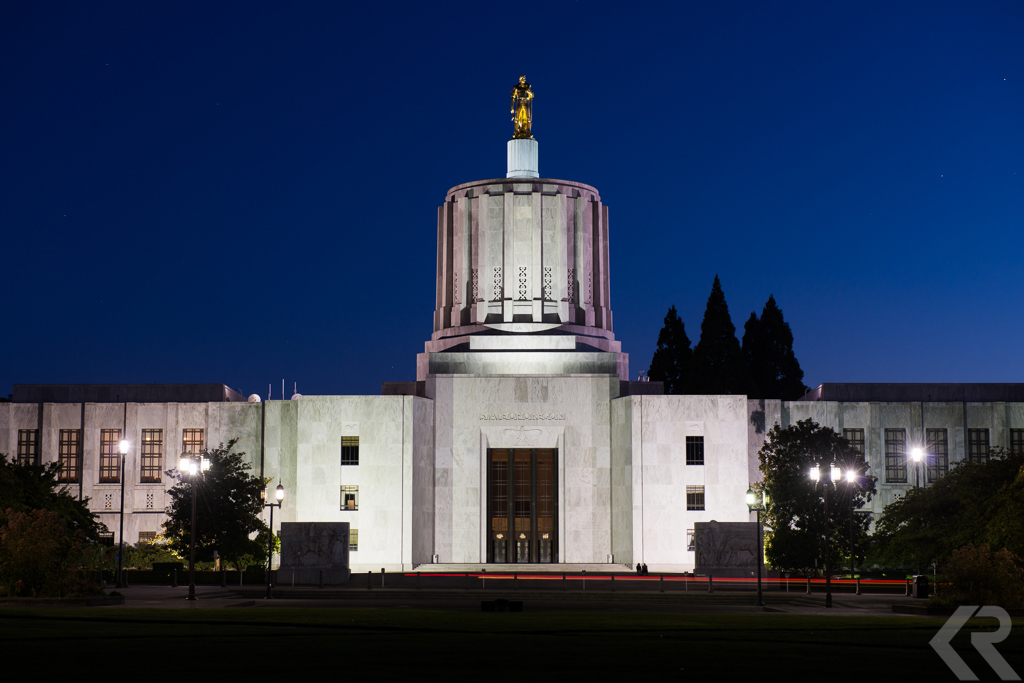
Oregon State Capitol building

On Newsstands: Salem in 1859 Oregon’s Magazine

As a native Oregonian who has been away for much too long, I was delighted to receive an assignment from 1859 Oregon’s Magazine to photograph Salem, the state’s capital located only a hop and a skip up the road from me.

Grab a copy from the newsstand if you are in the Pacific Northwest, or read the article online on 1859‘s website (and see more of my photos).

Layout from 72 Hours Salem story.

72 Hours in Salem article shot for 1859 Oregon’s Magazine, November/December 2014 issue.

Layout from 72 Hours Salem story.

72 Hours in Salem article shot for 1859 Oregon’s Magazine, November/December 2014 issue.

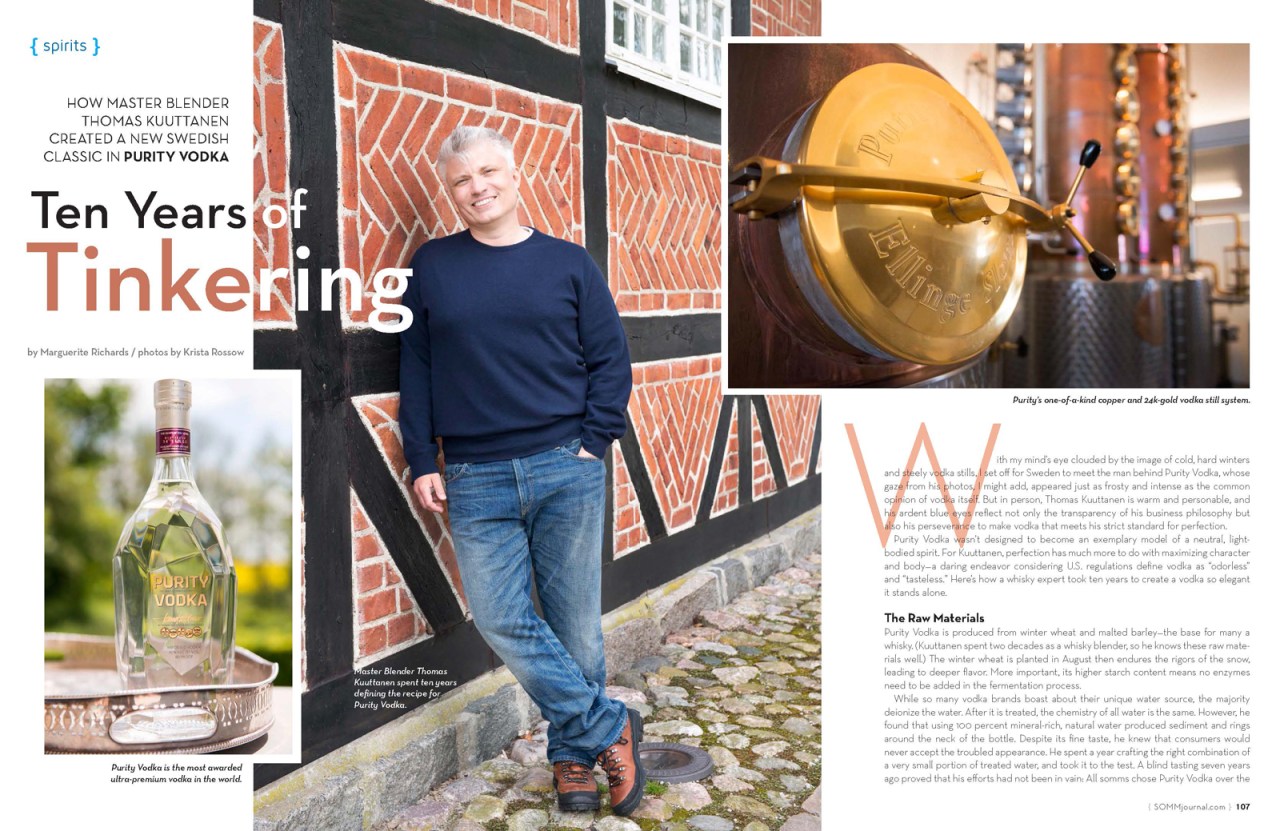
Article about Purity vodka in Somm Journal

Saying Skål in Sweden

I once had a dream I woke up in Copenhagen, took a train to Sweden and was whisked away to a 13th Century castle where I learned about vodka distilling. Oh, wait, that actually happened.

Known for popular brands like Absolut and Svedka, Sweden is also home to Purity, a small-batch organic distillery located at Ellinge Castle, near Malmo, Sweden. Along with journalist Marguerite Richards,I journeyed there on assignment for The Somm Journal magazine for their August/September 2014 issue (see the PDF here).

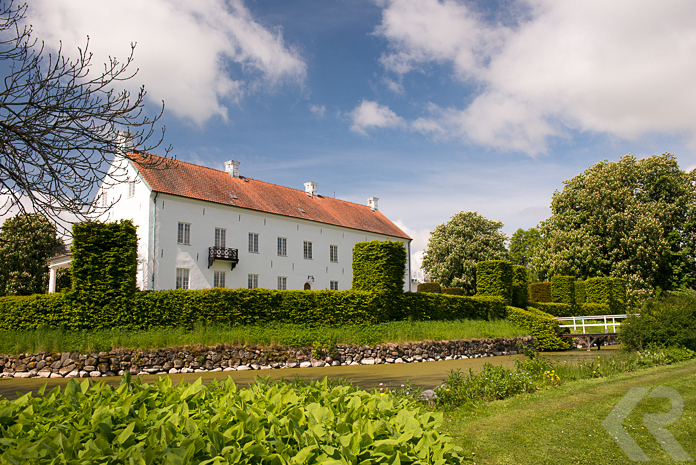
Ellinge Castle is a 13th Century castle located near Malmo, Sweden.

Purity Vodka is distilled in Ellinge Castle, a picturesque estate still surrounded by a moat.

We delved into the distillation process (Purity undergoes thirty-four rounds) while hearing from master blender Thomas Kuuttanen about his obsession with Purity. Then we wandered the verdant grounds of Ellinge Castle, imagining the fairytale setting for a wedding that was busily being prepared for the next day, and pondering older times when estate workers were actually paid in vodka. And, of course, we tasted.

If it takes thirty-four rounds of distillation to achieve the results that reached my lips, I’ll happily wait patiently.

I don’t know if it is Sweden talking, but I just might have fallen in love with vodka. I’ll cheers, or as the Swedes say, skål to that.

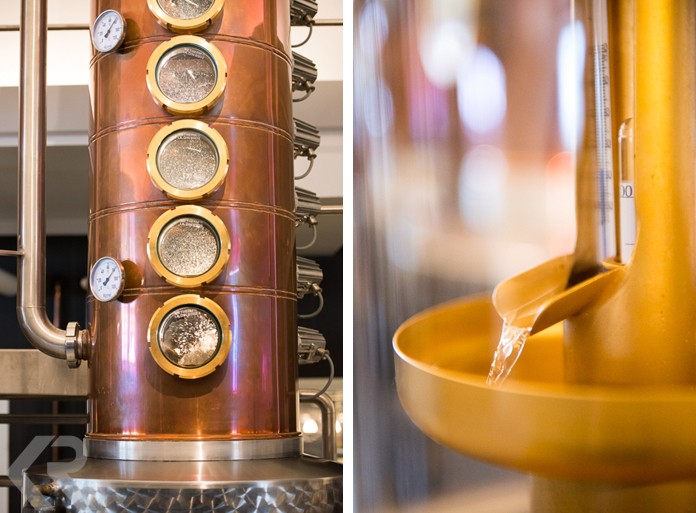
The copper still at Ellinge Castle and the pure gold spigot for Purity Vodka.

The copper still at Ellinge Castle (left) and the pure gold spigot (right) for the final product.

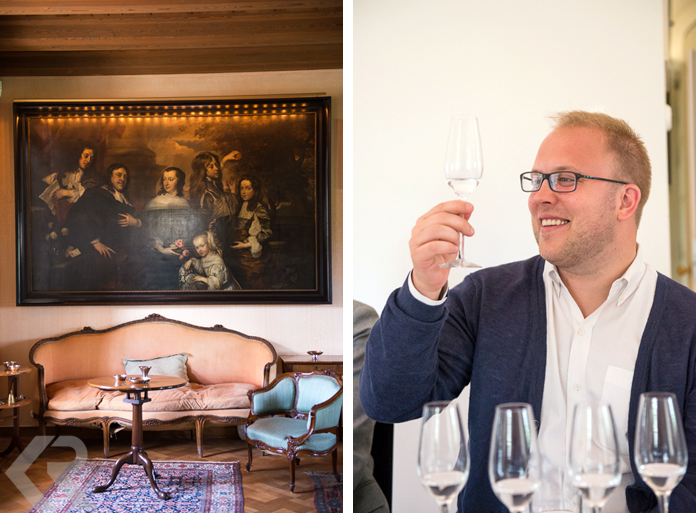
Interior of Ellinge Castle and vodka tasting.

The inside of Ellinge Castle is filled with old paintings and furniture (left). We compared Purity to its rivals in a vodka tasting (right).

Marine iguanas at sunset

On Assignment with National Geographic Expeditions: Galápagos Islands

I’m recently back from my first trip to the Galápagos Islands. I was lucky enough to visit these islands located 600 miles off of the coast of Ecuador while working as a Photo Expert and Instructor for National Geographic Expeditions and Lindblad. Calling these pristine volcanic islands my “office” for two weeks while navigating above and below the Equator on the National Geographic Endeavour was an unparalleled experience.

With my background as a photo editor, you can imagine that I’ve seen quite a few images from the Galápagos Islands. I knew I’d be seeing giant tortoises (for which the islands are named) and the popular blue-footed booby. What I wasn’t prepared for was what it felt like to be on the islands.

My first impression was that I’d arrived in a prehistoric land, sans dinosaurs but, as Darwin learned over a few short months in 1835, teeming with a variety of species who have adapted quite uniquely to their environments. You could not only feel the age of the islands, but you could see it as we traveled from west to east, from the youngest to the oldest islands. At the young age of less than a million years old, Fernandina is still volcanically active and growing while nurturing scores of animals.Visiting older Genovesa you see only the crescent moon of a sinking caldera, an island in the final stages of life yet still home to thousands of seabirds.

During the two weeks on board I met guests from as near as Oregon and as far as Australia, children whose ages were in the single digits and retired folks who made being in their eighties look easy, and eager-to-shoot photo enthusiasts and people who didn’t know they’d have so much fun with their cameras while on the islands. I worked with a talented photo team, namely Jennifer Davidson and Jose Calvo, and for one week had the chance to work a legend of National Geographic, Annie Griffiths. During every outing I was impressed with the knowledge of Lindblad Expeditions’ naturalists, whose passion for the islands is palpable. And every time I was on the ship I was taken care of by a friendly and professional crew.

And the best part is that I get to go back. I’ll be returning to the islands for two more photo-specific expeditions on October 24th and 31st (details here). I hope these photos give you an idea of what it feels like to be on an expedition in the Galápagos. And I’d love to see you there in the fall!

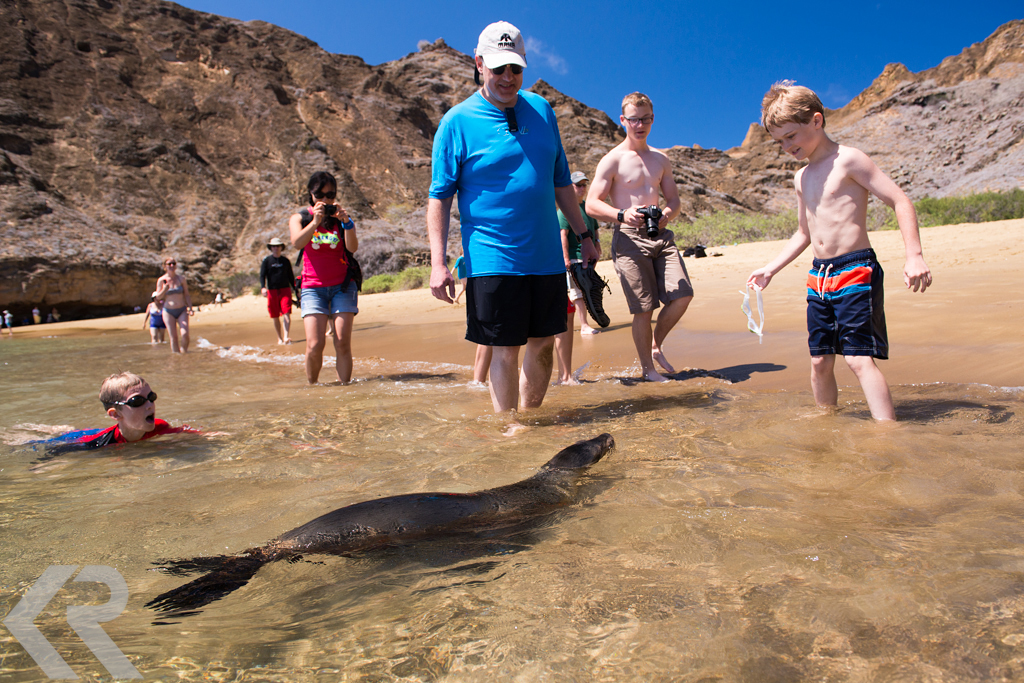
A sea lion approaches people on a beach.

One of the most delightful things about the Galápagos is how close humans can get to the animals. Sea lions, like this one at Punta Pitt, are as curious about us as we are about them. Because the animals on the islands have few predators, they are unafraid. Using their energy to get out of our way would be wasteful, but visitors must keep a 6-ft distance to comply with national park rules.

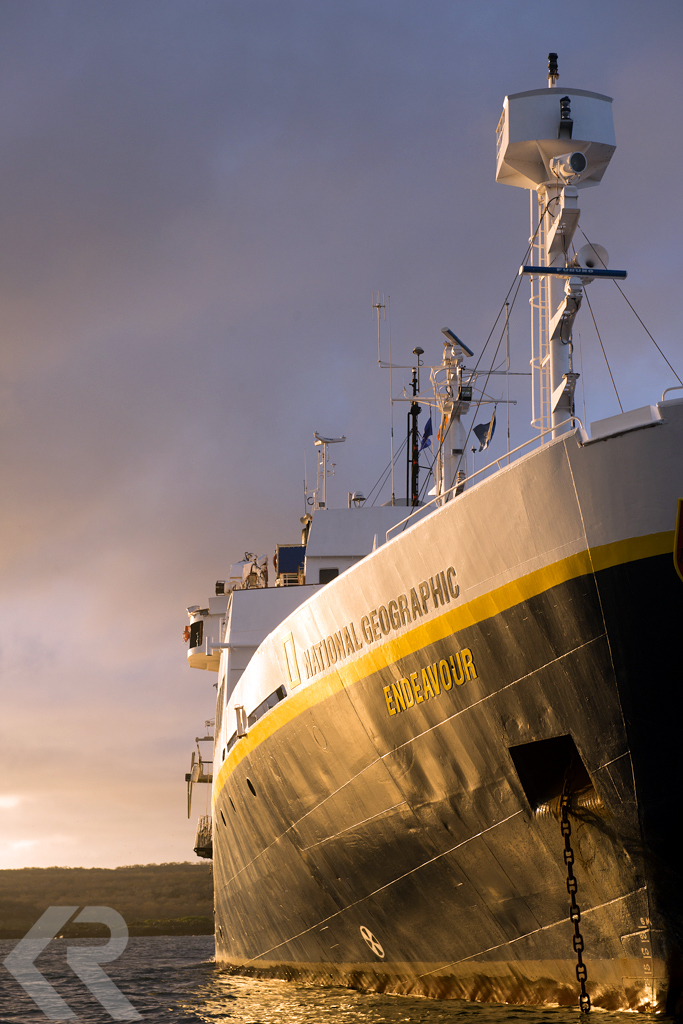
National Geographic Endeavour ship at sunset.

The hull of the National Geographic Endeavour glistens in the last light as we return from a hike on Genovesa Island. The ship was our base as we explored the islands using small inflatable boats known as zodiacs to ferry us to shore or out on deep-water snorkels.

A red footed booby on Genovesa Island

Everyone hears about the blue-footed booby, but my personal favorite booby is the red-footed species. Their bright blue and purple beaks won me over.

Photographing a Peruvian booby in the Galapagos Islands

Speaking of boobies, we were lucky enough to be present for the first spotting of a Peruvian booby on the Galápagos Islands. Here naturalist Walter Perez and his zodiac full of guests photograph the surprising animal. Read more about the news on the Lindblad Expeditions blog here.

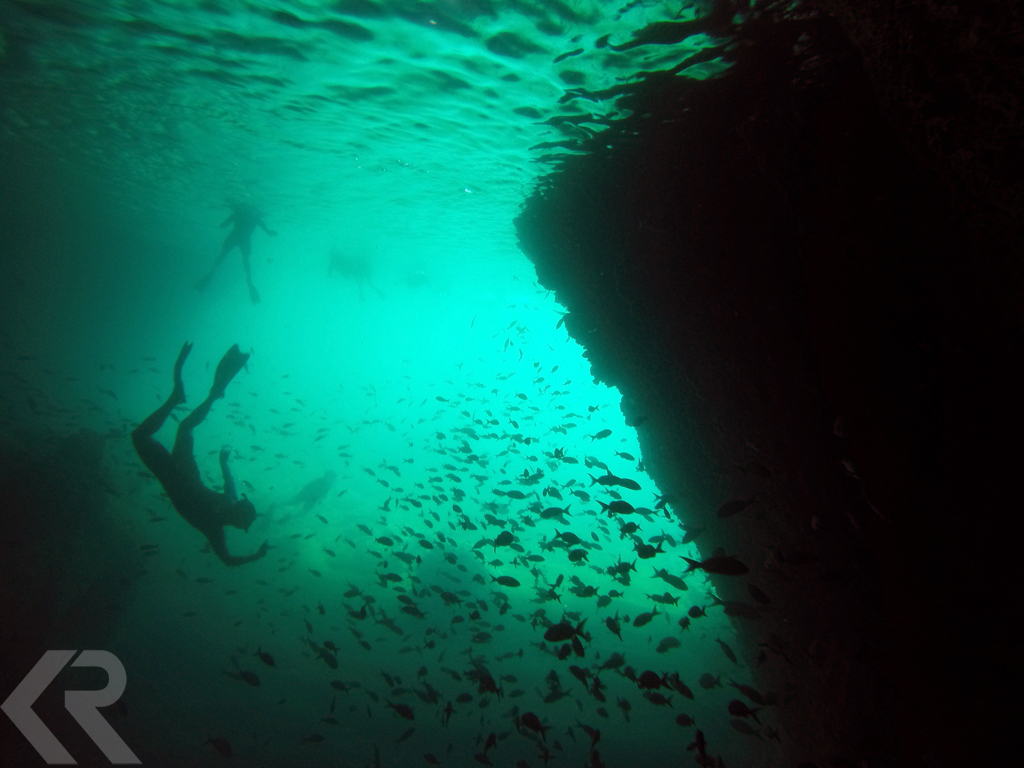
Snorkeling in the Galapagos Islands.

Snorkeling is an almost daily activity while on expedition in the islands. With visions of ancient pirates in our minds, we swam into a cave at Buccaneer Cove on Santiago Island and found a large school of fish. During the snorkels we not only swam with fish, but also with sea turtles, sea lions, sharks, penguins, and cormorants.

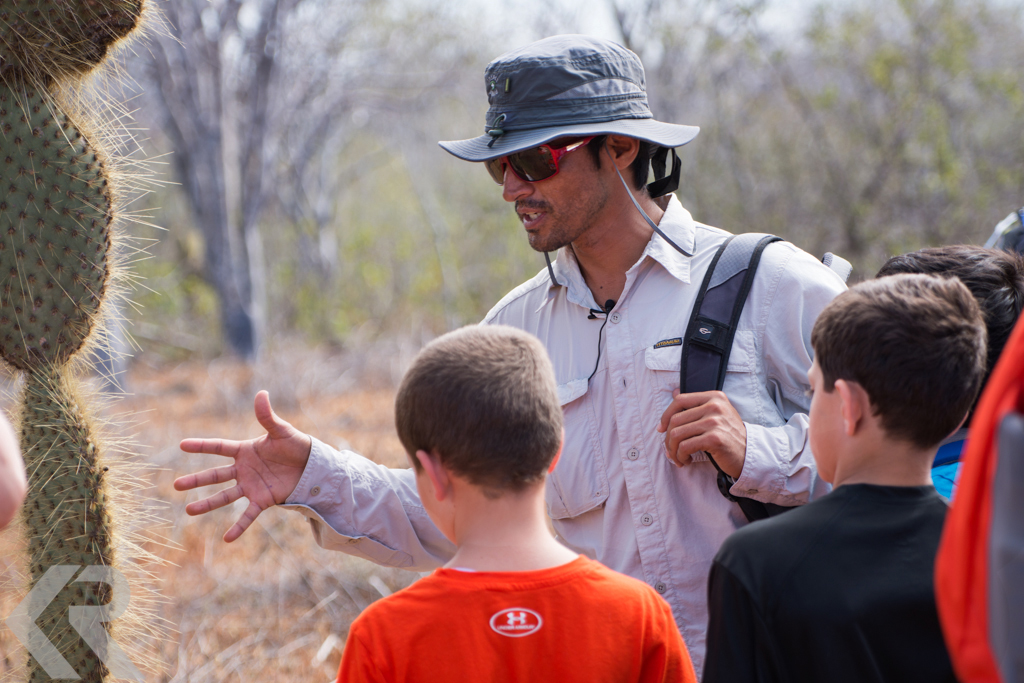
Naturalist on the Galapagos.

Naturalist Pato Maldonado explains to some young guests how different animals use the cacti growing on Santa Cruz Islands as food. Every hike, zodiac ride, or snorkel is led by a naturalist guide in groups of 16 or less. All naturalists in the Galapagos are required to be residents of the islands.

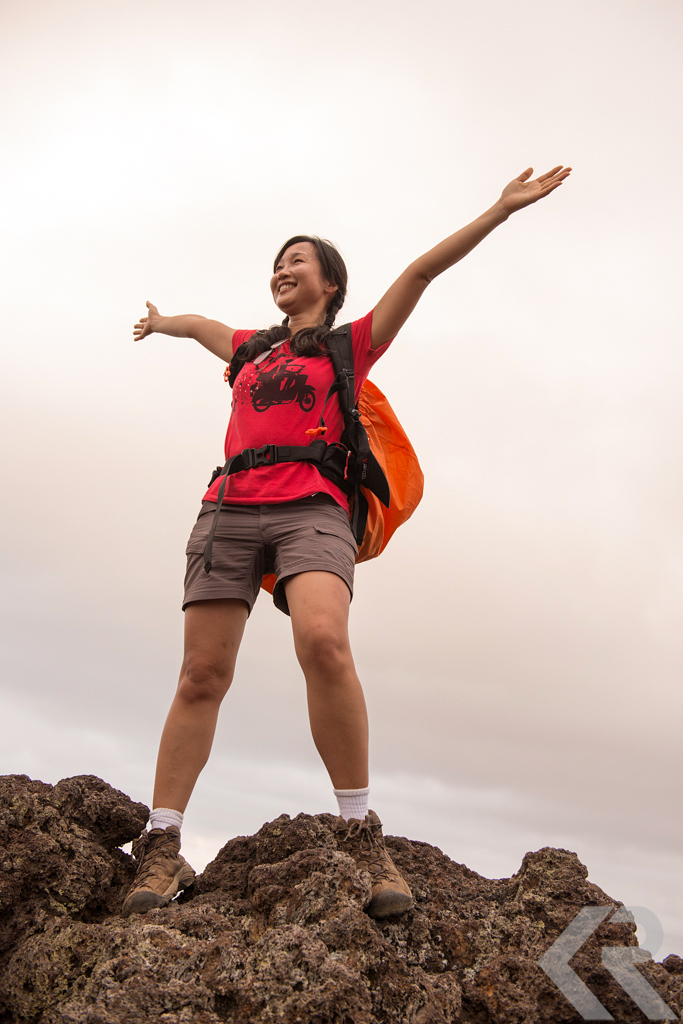
Joyful woman hiking in the Galapagos.

One of the guests expresses her joy at reaching the top of the hike near Darwin Lake on Isabela Island. This photograph of her happiness captures what it is like to explore these beautiful islands.

Guests on the bow of the National Geographic Endeavour

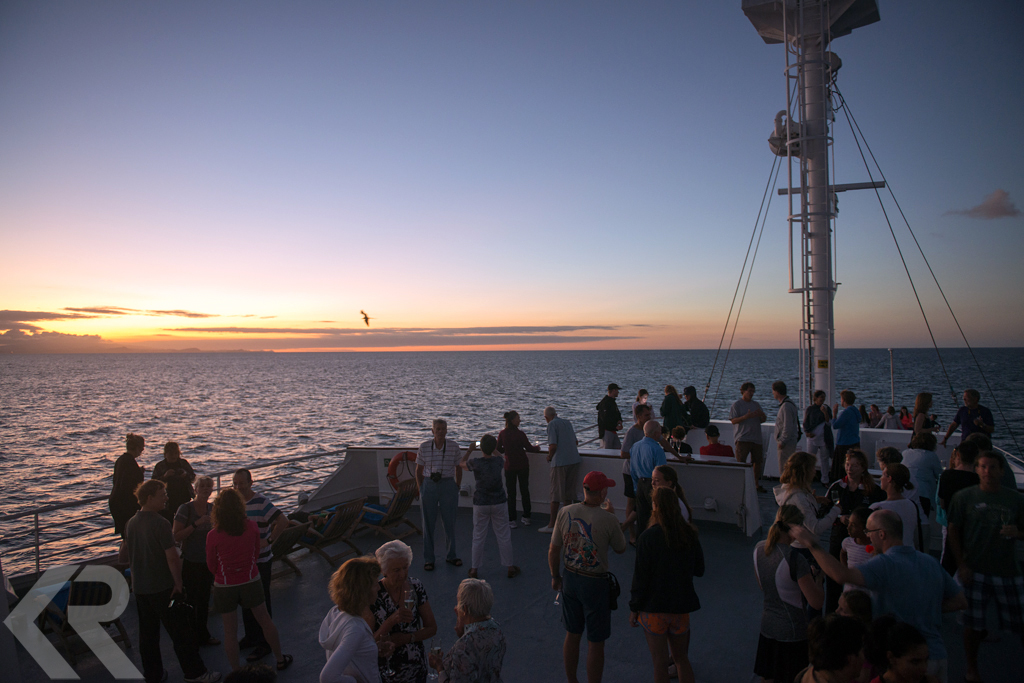
One evening before heading to the recap session, guests had a cocktail at sunset while the ship cruised near Daphne Major Islet. The nightly recap sessions in the lounge included a briefing on the next day’s activities and could include mini-sessions on photography or natural history and perhaps a short screening of underwater footage from that day’s snorkel.

The barrel at Post Office Bay

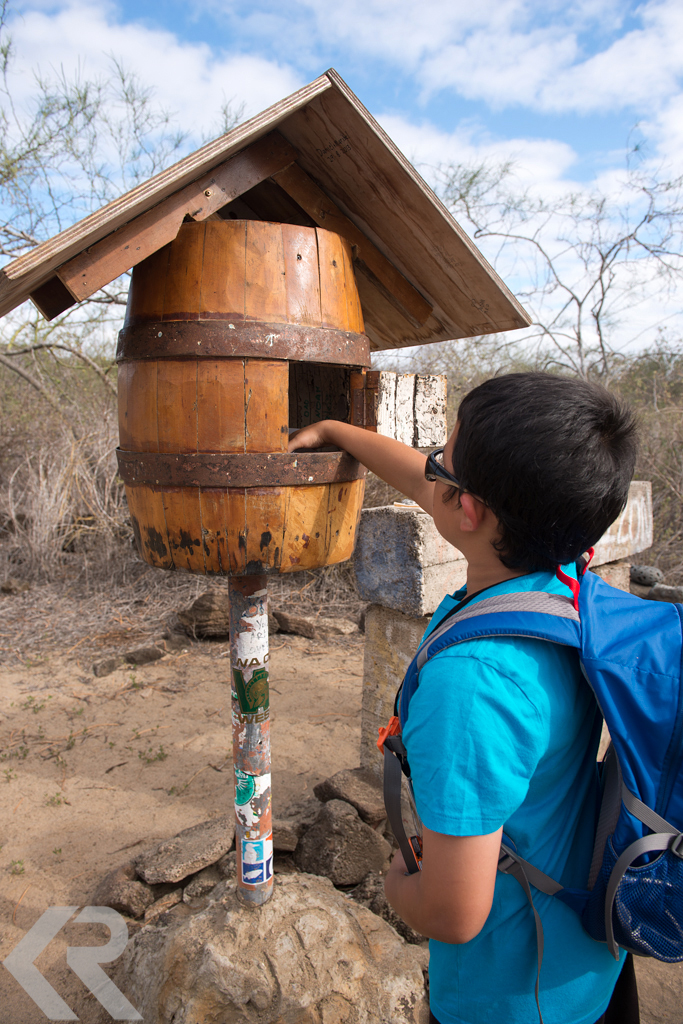
You’ve got mail! There are few signs of the history of man on the Galápagos Islands, but on Floreana Island there is a post office barrel where whalers and sailors would leave their correspondence to be picked-up and hand delivered by others who happened to be passing in the right direction. The tradition continues and I happened to pick up two postcards that I’ll be able to deliver in Oregon.

Lava cactus and landscape in Fernandina

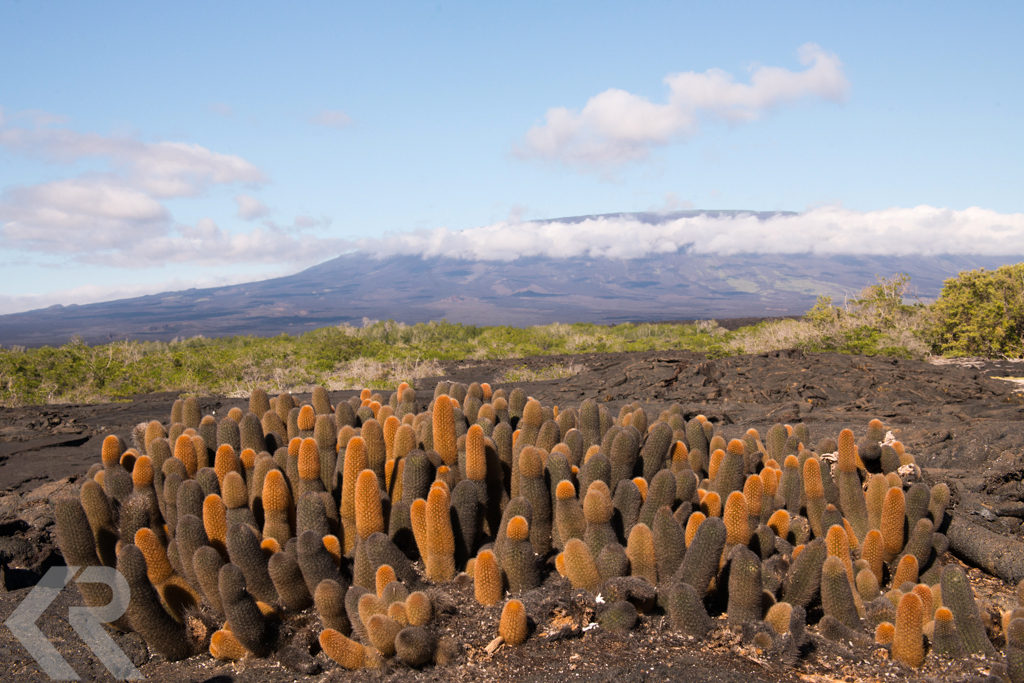
Visiting the islands, you quickly learn how different each one can appear from the others. Fernandina is the youngest of the islands in the Galapagos. It is home to a large colony of marine iguanas and the endemic lava cactus species.

Walking back to ship in Galapagos.

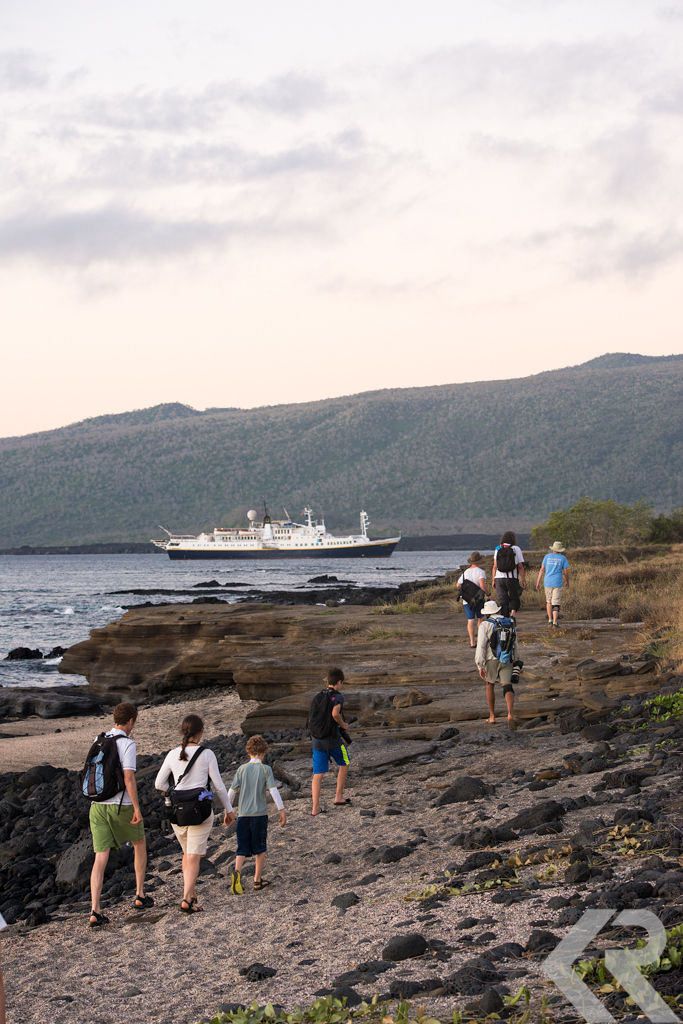
A hike comes to an end as guests walk back to catch a zodiac to the National Geographic Endeavour. On the two photo-focused weeks I taught on, we spent as much time as we could shooting the islands at sunset and sunrise.

Krista photographing a sea lion in the Galapagos Islands. Photo by Naturalist and Photo Instructor Greg Aranea.

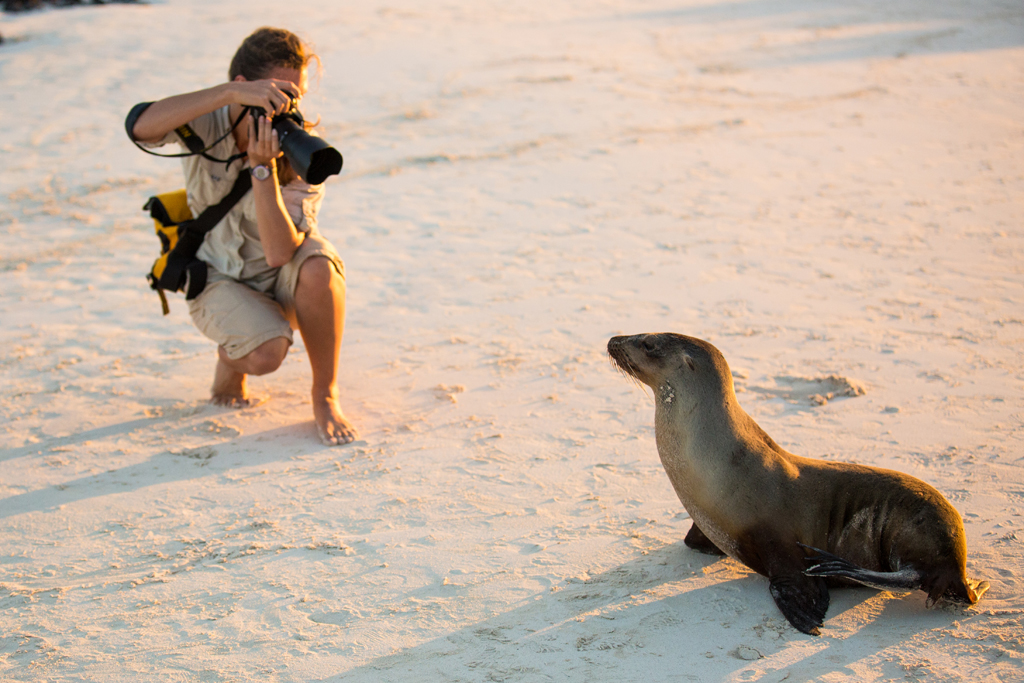
A photo of me photographing a sea lion in the Galápagos Islands. Perhaps I’ll see you in the Galápagos this fall? Photo by Naturalist Greg Aranea.


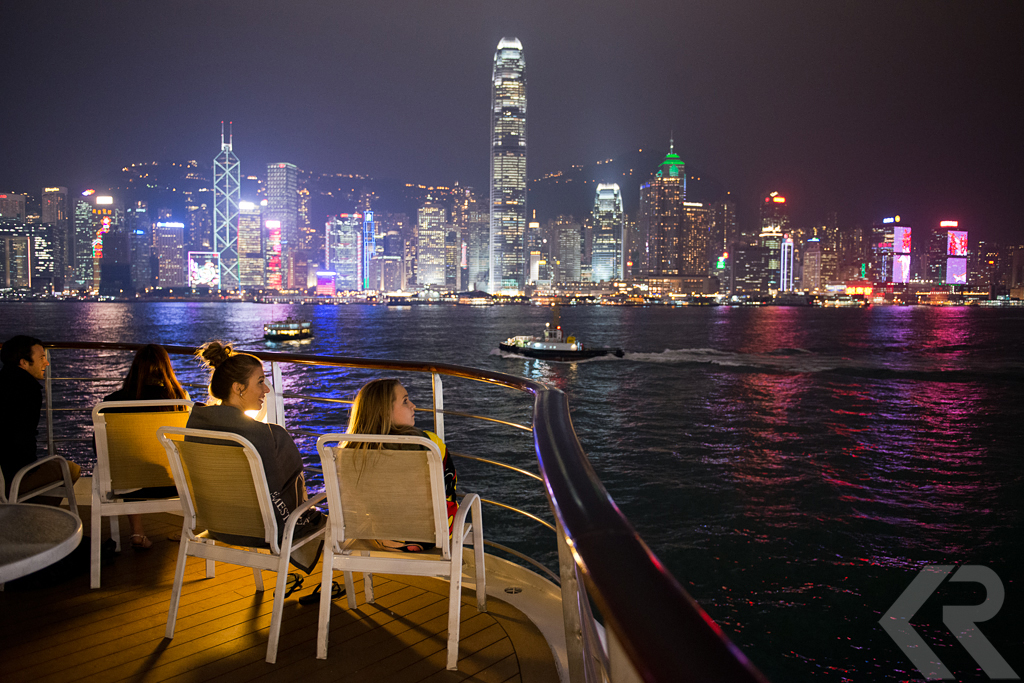
Hong Kong skyline viewed from ship.

Jumping Ships

I’ve spent the majority of my time this year on a ship and I’m about to get onto another.

I recently returned from my assignment with Semester at Sea as photographer for the Spring 2014 Voyage’s communications team. While on board the MV Explorer, we circumnavigated the globe, traveling 23,379 nautical miles west from Ensenada, Mexico, to Southampton, England.

To see all of my posts for Semester at Sea, click here. And head to my personal travel blog (which is still catching up!) for even more photos and reflections. My personal highlights were exploring Yangon, Myanmar, on a serendipitous day of travel, marveling at life and death along the Ganges River in India, and wandering through the temples of Kyoto, Japan. I was lucky enough to get to tag along with a few classes while in port as well. I received at crash course in South African cinema while visiting the University of Cape Town. And I’m now well-versed in the art of Burmese puppetry and have a better grasp on evolution after visiting the botanic gardens and zoo in Singapore.

And this weekend I’m getting onto another ship, the National Geographic Endeavor, to teach photography for National Geographic and Lindblad in the Galápagos Islands off of Ecuador. Follow along through Lindblad Expeditions’ Instagram feed here.

My subject matter is quickly going to change from globe-trotting college students to slow-moving tortoises and happy sea lions, but before that happens, below is a collection of my favorite photos of student life from the Spring 2014 Semester at Sea voyage. Click on any thumbnail to view larger in gallery mode.

Woodstock on the Rise

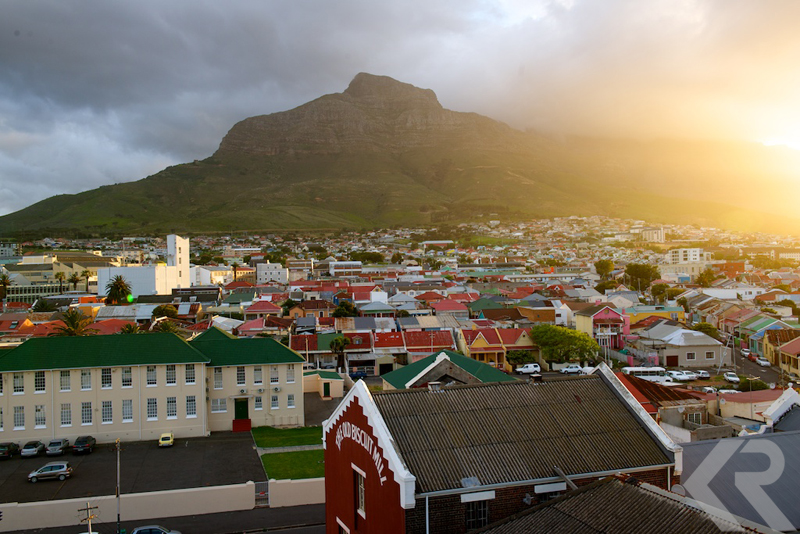
Dramatic view from the top of the Old Biscuit Mill of the surrounding neighborhood of Woodstock and the mountains of Cape Town at sunset.

Dramatic view from the top of the Old Biscuit Mill of the surrounding neighborhood of Woodstock and the mountains of Cape Town at sunset.

One of the perks of working on assignment for a travel magazine is getting to explore such wonderful places. I recently had two of my images published in the latest National Geographic Traveler magazine for a small article about the Woodstock neighborhood of Cape Town, but there were many other images made that have yet to see the light of day. Take a peek at the gallery of outtakes below from my time exploring this neighborhood home to artists and innovators, great food, and fabulous design.

And if you’ve missed my ravings about how wonderful Cape Town is, check out my travel blog entries including a photo gallery here, more delicious food here, my obsession with the Cape Floral Kingdom, and the funky neighborhood that I briefly called home.

On Newsstands: Cape Town in National Geographic Traveler

Image

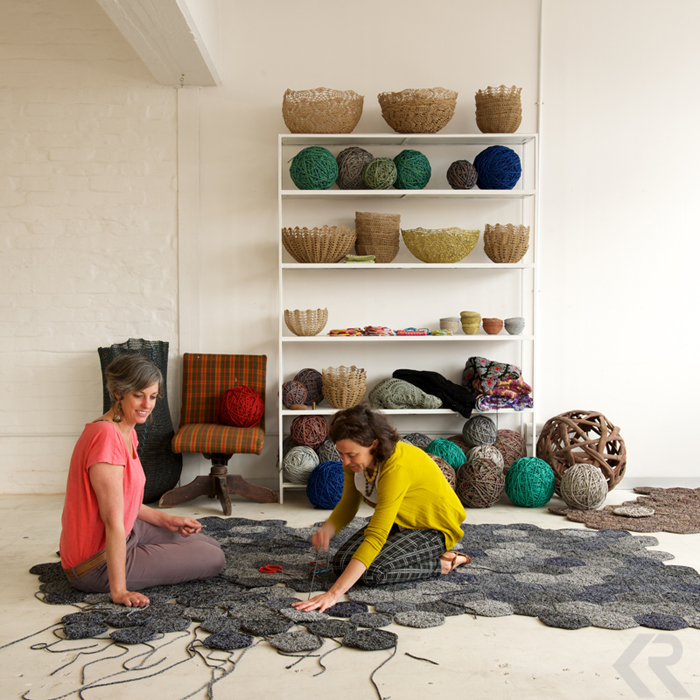
Artists Dani Le Roy (left) and Laura Summs (right) work on one of their signature crochet rugs in the studio of Moonbasket. They create pendant lights, stiffened bowls, jewelry, and motif carpets using crochet and they hire and empower women from the Khayalitsha township to produce the bulk of their materials.

Last November while I was visiting Cape Town, I was given a short assignment by my friend and former colleague Carol Enquist to photograph the Woodstock neighborhood of Cape Town for National Geographic Traveler magazine. With Cape Town being named World Design Capital for 2014, it was the perfect time to explore Woodstock, a neighborhood filled with designers, artists, and innovation tucked at the foot of Devils Peak. I roamed the colorful streets and popped into old warehouses turned new, looking for subjects for my lens, falling more in love with this South African city by the minute. Along the way I was also lucky enough to get to meet up with the writer of the piece, the talented Sarah Khan who is now living in Cape Town.

Go grab the April 2014 issue of National Geographic Traveler off of newsstands and stay tuned here for a blog post of some outtakes from the shoot. Then be prepared to want to book a one-way ticket to the Mother City.

Image

The article on Woodstock ran in National Geographic Traveler‘s Best of the World section and a photo from the artist DALeast‘s studio at Side Street Studios ran on the contents pages of the April 2014 issue.